Circular Economy for E-Commerce: How Online Retailers Can Lead the Sustainability Shift
Circular Economy for E-Commerce: How Online Retailers Can Lead the Sustainability Shift
The traditional economic model—take resources, make products, dispose of waste—is reaching its breaking point. With global material consumption projected to double by 2060 and e-waste hitting 62 million metric tons annually, the linear economy is no longer sustainable or profitable.
Enter the circular economy: a regenerative system where products, materials, and resources stay in use as long as possible. For e-commerce businesses, this isn't just an environmental imperative—it's a competitive advantage that drives customer loyalty, reduces costs, and future-proofs operations against tightening regulations.
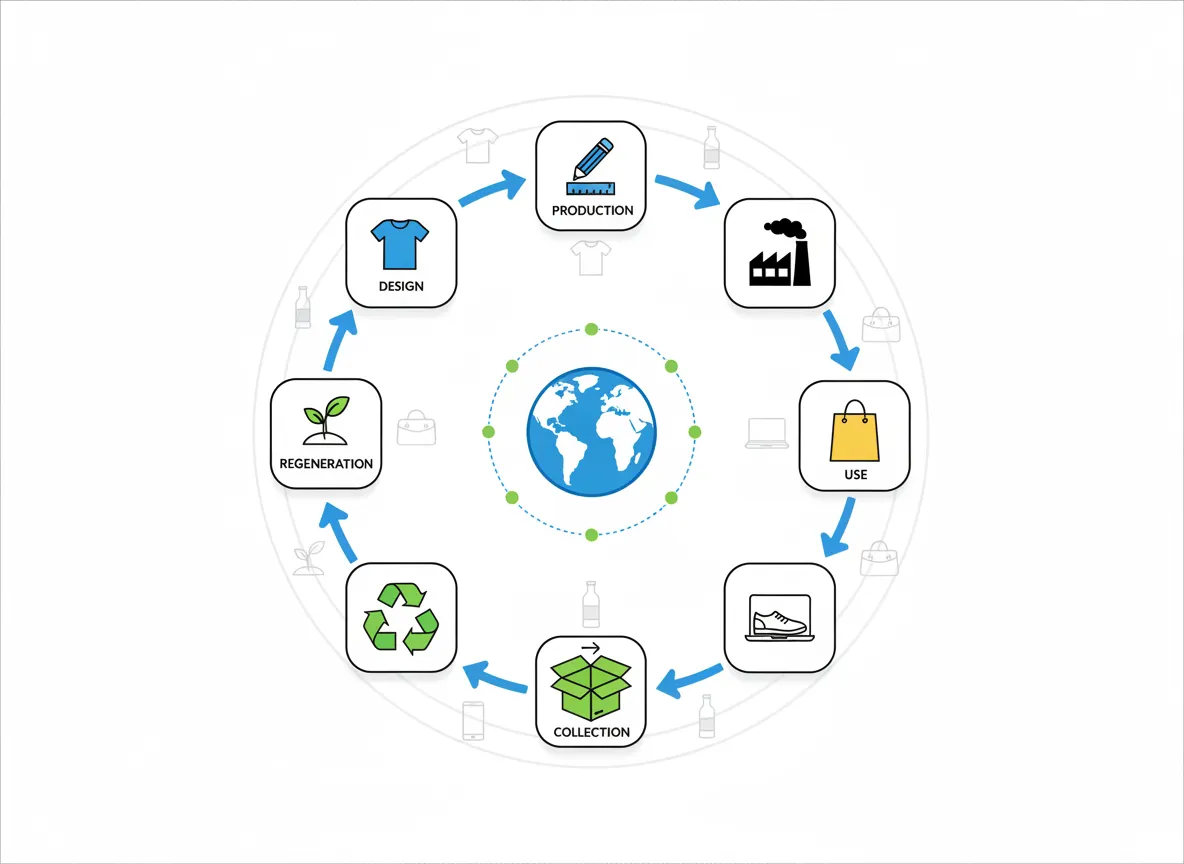
What Is the Circular Economy?
The circular economy fundamentally redesigns how we produce and consume goods. Instead of the linear "take-make-dispose" model, it operates on three core principles:
- Eliminate waste and pollution - Design out waste from the start, not as an afterthought
- Keep products and materials in use - Through reuse, repair, refurbishment, and recycling
- Regenerate natural systems - Return valuable nutrients to the soil and rebuild natural capital
For e-commerce merchants, this means rethinking everything from product design and materials sourcing to packaging, shipping, and end-of-life management. The goal is to create closed loops where today's products become tomorrow's resources.
Why the Circular Economy Matters Now
Resource Scarcity Is Real
The numbers are stark: we're consuming 1.75 Earths' worth of resources annually. Critical materials like rare earth elements, used in electronics, face supply constraints. The Ellen MacArthur Foundation estimates that adopting circular economy principles could generate $4.5 trillion in economic benefits by 2030.
Climate Targets Require Systemic Change
Circular economy strategies could reduce global greenhouse gas emissions by 45% by 2030—the level needed to meet Paris Agreement targets. Material production and use account for 45% of global emissions, second only to food production.
Consumer Expectations Are Shifting
Recent consumer research reveals transformative trends:
- 81% of consumers globally believe companies should help improve the environment (Cone/Porter Novelli, 2022)
- 73% of millennials are willing to pay more for sustainable products (Nielsen)
- 68% of shoppers expect transparency about product sustainability before purchase
- 66% of consumers consider a brand's sustainability record before buying (Simon-Kucher & Partners, 2023)
E-commerce businesses that ignore these shifts risk losing market share to more sustainable competitors.
The EU's Circular Economy Action Plan
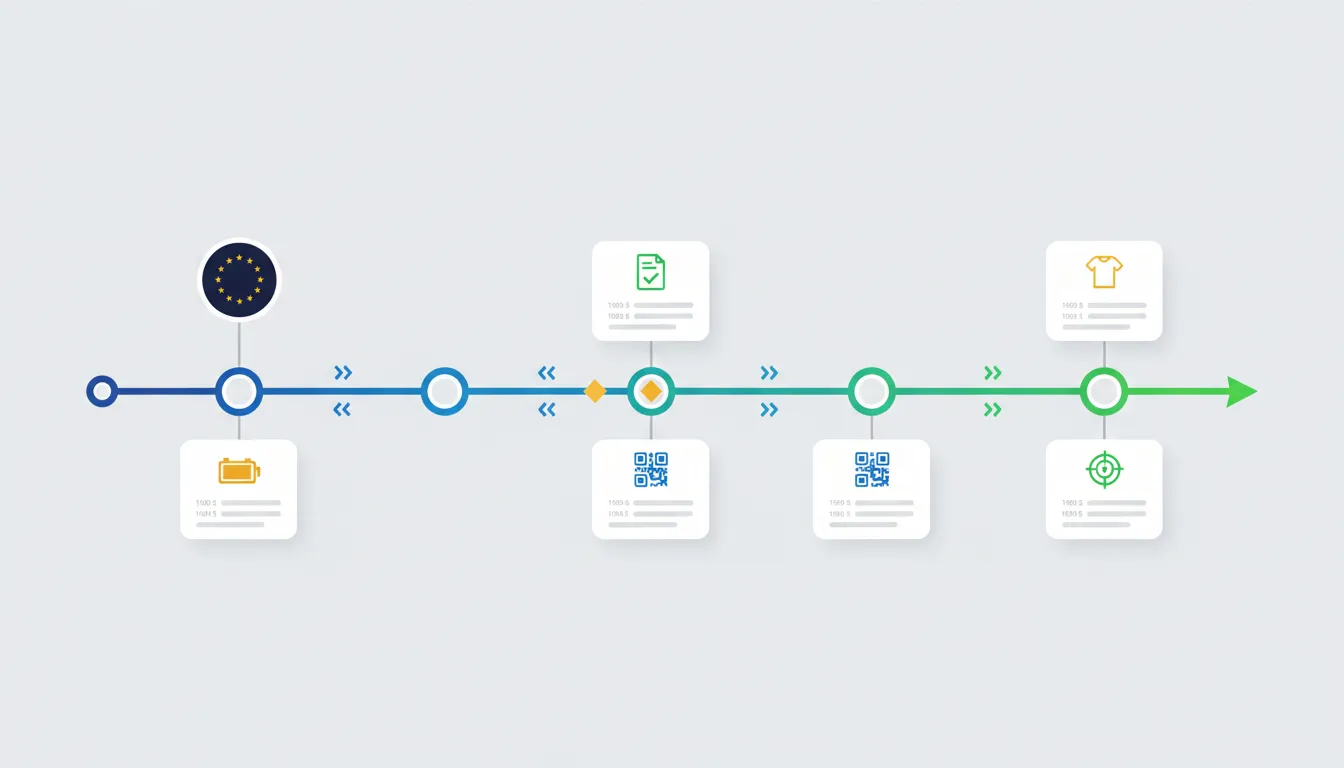
The European Union is leading global efforts with its comprehensive Circular Economy Action Plan, a cornerstone of the European Green Deal. Key initiatives include:
- Right to Repair legislation requiring manufacturers to make products more repairable
- Ecodesign for Sustainable Products Regulation (ESPR) establishing durability and recyclability standards
- Digital Product Passports (DPPs) mandating transparent product information
- Targets to slash textile waste by 60% and double product lifespans
The ESPR, effective from 2024-2030 depending on product category, will require businesses selling in the EU to provide detailed sustainability data through Digital Product Passports. This includes material composition, carbon footprint, repair instructions, and end-of-life guidance.
Non-compliance can result in products being blocked from EU markets, making circular economy practices not just good ethics but essential business strategy.
7 Circular Economy Strategies for E-Commerce Merchants
1. Design for Durability and Repairability
The most sustainable product is one that doesn't need replacing. Design products that last, with:
- Modular components that can be easily replaced or upgraded
- Standardized parts rather than proprietary components
- Accessible repair guides with clear instructions
- Durability testing to ensure longevity claims are accurate
Real-world example: Patagonia's Worn Wear program has repaired over 100,000 items, keeping products in use and building legendary brand loyalty. Their repair guides are freely available, even for competitor products.
2. Use Recycled and Sustainable Materials
Material choices directly impact circular potential:
- Post-consumer recycled (PCR) materials give waste new life
- Biodegradable alternatives for items with short lifespans
- Certified sustainable sources (FSC wood, organic cotton, recycled ocean plastics)
- Material health transparency using tools like Cradle to Cradle certification
Companies using recycled materials report 20-30% lower carbon footprints compared to virgin materials. Adidas, for instance, sold over 30 million shoes made from ocean plastic between 2017-2022, demonstrating market appetite for sustainable materials.
3. Implement Take-Back and Recycling Programs
Retain control of your materials through reverse logistics:
- Mail-in return programs with prepaid shipping labels
- In-store drop-off points (for merchants with physical presence)
- Incentive programs offering discounts or store credit for returns
- Partnerships with certified recyclers to handle materials properly
H&M's garment collection program has gathered over 100,000 tons of textiles since 2013. Their customers receive vouchers for returns, driving repeat purchases while reducing waste.
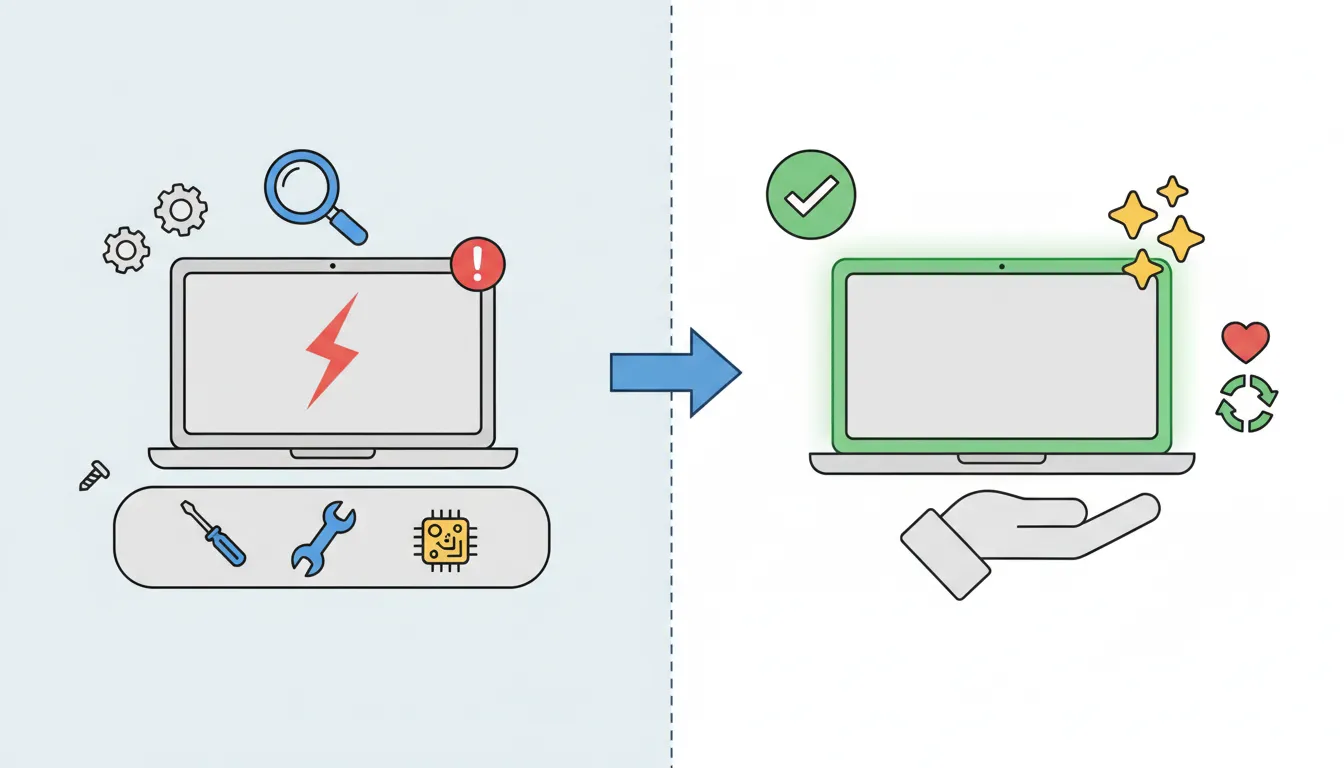
4. Offer Repair Services and Spare Parts
Keeping products functional extends their value:
- Official repair services with trained technicians
- Spare parts availability for common wear items
- Video repair tutorials for customer self-service
- Extended warranties for repaired products
Apple's Self Service Repair program, launched in 2022, provides genuine parts and tools for customer repairs—a significant shift for a company previously resistant to right-to-repair movements. This pivot reflects regulatory pressure and consumer demand.
5. Product-as-a-Service and Rental Models
Shift from ownership to access:
- Subscription services for regularly replaced items
- Rental programs for occasional-use products
- Lease-to-own options with guaranteed buy-back
- Performance-based pricing where customers pay for outcomes, not products
IKEA's furniture rental service, trialed in Switzerland and expanding globally, allows customers to lease furniture and return it for refurbishment. This keeps materials in circulation and creates recurring revenue streams.
The global product-as-a-service market is projected to reach $1.5 trillion by 2030, growing at 32% annually.
6. Transparent Supply Chains — Where DPPs Come In
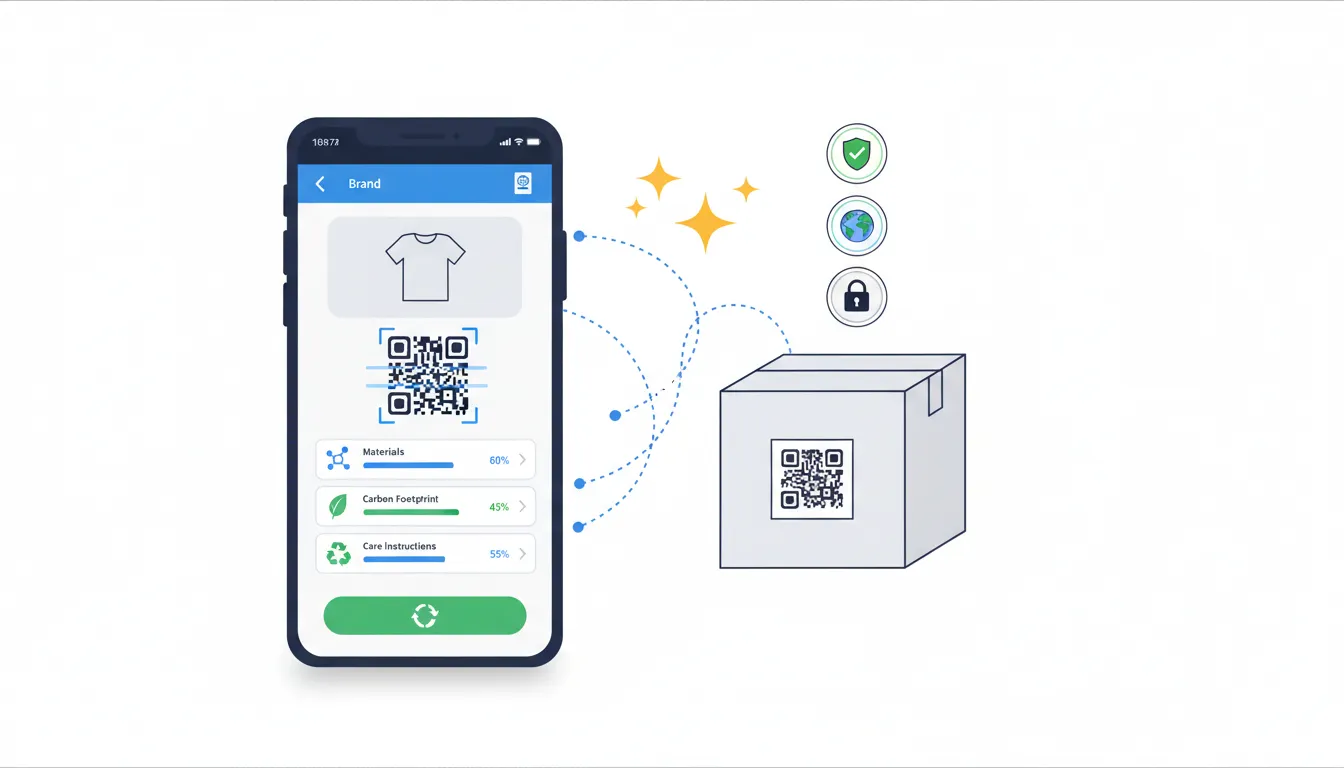
Circularity requires visibility. Digital Product Passports provide:
- Complete material composition down to hazardous substances
- Supply chain traceability from raw materials to finished goods
- Carbon and water footprint data
- Repair and maintenance instructions for extending product life
- End-of-life guidance for recyclers and disposal facilities
This transparency enables informed consumer choices and helps recyclers recover valuable materials efficiently. When a product reaches end-of-life, recyclers can scan its QR code to instantly access disassembly instructions and material specifications—crucial for high-value material recovery.
DPPs also combat greenwashing by requiring verifiable sustainability claims rather than vague marketing language.
7. Reduce Packaging Waste
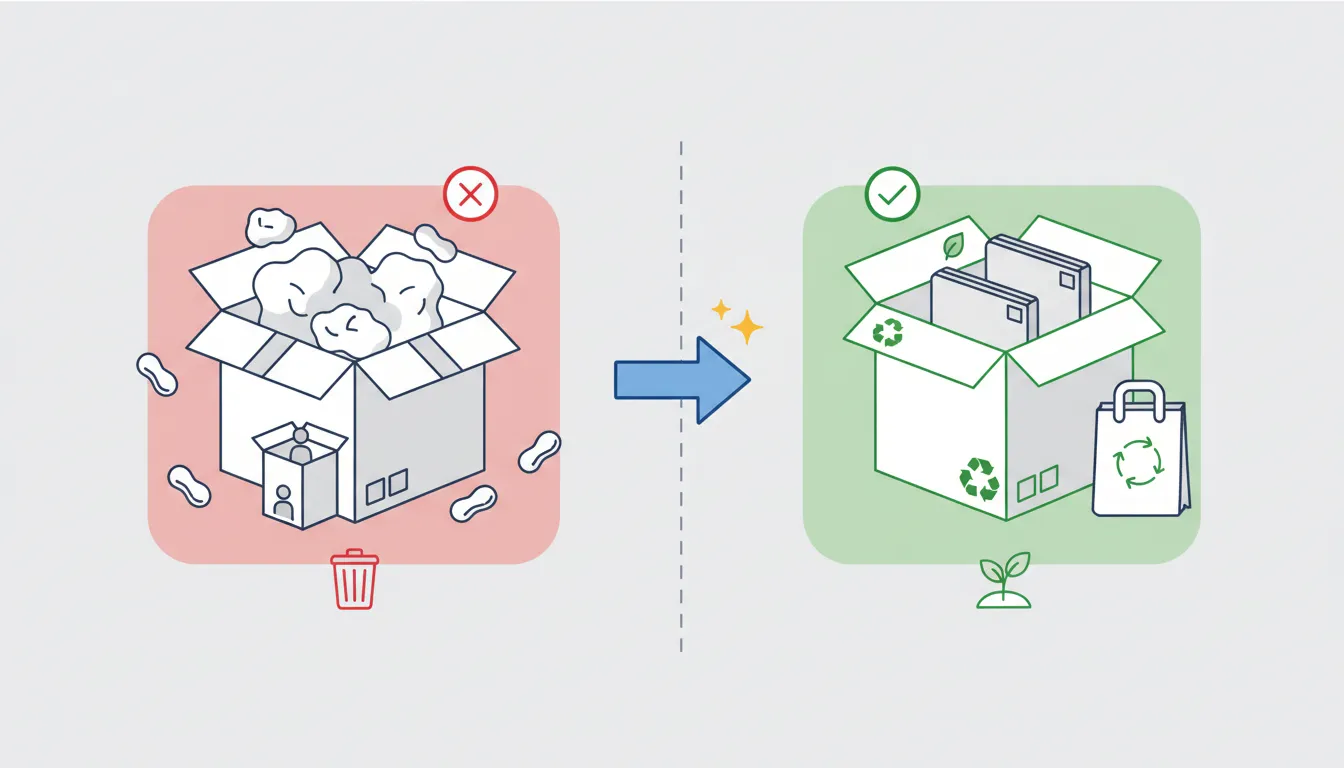
E-commerce packaging is a massive waste generator:
- Right-sized packaging using AI to minimize void fill
- Recyclable or compostable materials exclusively
- Reusable packaging for certain product categories
- Packaging take-back programs for specialty materials
- Optimize box sizes to reduce shipping emissions
Amazon's Frustration-Free Packaging initiative has eliminated over 2 million tons of packaging waste since 2008. Their investment in right-sized boxes reduced waste by 33% for participating products.
Loop, a circular shopping platform, uses durable reusable packaging collected after product use—eliminating single-use packaging entirely.
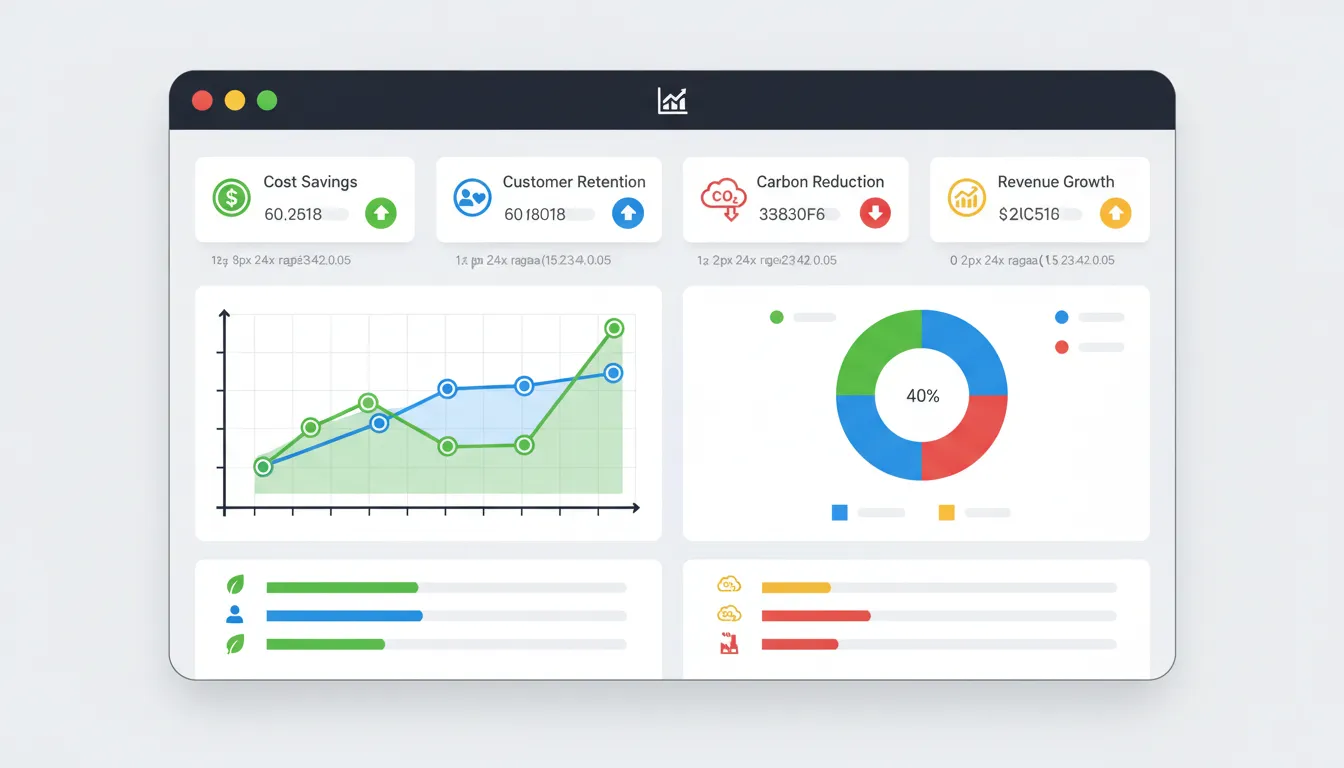
The Business Case: Why Circularity Drives Profit
Cost Savings
Circular business models reduce operational costs:
- Material savings through recycled inputs (20-50% cheaper than virgin materials in many categories)
- Reduced waste disposal fees (industrial waste costs $50-200 per ton)
- Energy efficiency (recycled aluminum uses 95% less energy than primary production)
- Inventory optimization through take-back and refurbishment
Interface, a carpet manufacturer, saved over $450 million through circular initiatives while reducing environmental impact by 95%.
Customer Loyalty and Lifetime Value
Sustainable practices drive retention:
- Customers of sustainable brands show 47% higher loyalty rates
- 70% of consumers are more likely to recommend sustainable brands
- Circular programs create ongoing touchpoints beyond initial purchase
- Repair and take-back services increase repeat purchase rates by 40%
Patagonia's repair program customers spend 2x more over their lifetime compared to regular customers.
Regulatory Readiness
Getting ahead of regulations provides competitive advantage:
- Early compliance with ESPR avoids rushed implementations
- Established systems adapt more easily to new requirements
- Competitive moat against businesses unable to meet standards
- Market access maintained in regulated jurisdictions
Companies that voluntarily adopted California emissions standards before mandates reported smoother transitions and lower compliance costs.
Brand Value and Market Positioning
Sustainability credentials drive premium positioning:
- Sustainable brands grow 2.5x faster than conventional brands
- 58% of consumers will pay premium prices for sustainable products
- Sustainability signals quality and corporate responsibility
- Investor interest increasingly focuses on ESG performance
Unilever's sustainable brands grew 69% faster than the rest of its business and delivered 75% of overall growth.
How Digital Product Passports Enable the Circular Economy
Digital Product Passports are the infrastructure that makes circular economy scalable. They provide:
For Consumers
- Informed purchasing decisions based on verified sustainability data
- Product care instructions to maximize lifespan
- Repair guidance with authorized service providers
- Resale value information for secondary markets
For Businesses
- Supply chain transparency to identify improvement opportunities
- Compliance documentation for regulatory requirements
- Customer engagement through ongoing product relationship
- Brand differentiation via verified sustainability claims
For Recyclers and Refurbishers
- Material composition for efficient sorting and processing
- Disassembly instructions to access valuable components
- Hazardous substance warnings for safe handling
- Component value data to optimize recovery economics
When Philips implemented product passports for lighting products, they increased material recovery rates by 35% and reduced processing costs by 20%. The instant access to accurate product data eliminated guesswork in recycling operations.
The PassportPro Advantage
PassportPro makes circular economy practices accessible to e-commerce merchants of all sizes:
Easy Implementation
- Seamless Shopify integration with no coding required
- Bulk product import for existing catalogs
- Automated QR code generation for all products
- Customizable templates matching your brand
Comprehensive Data Management
- Material composition tracking with CAS numbers
- Supply chain documentation with supplier verification
- Carbon footprint calculators integrated
- Repair instructions and spare parts catalogs
- End-of-life guidance for consumers and recyclers
Compliance Made Simple
- ESPR-compliant data structures
- Regular updates as regulations evolve
- Audit-ready documentation for regulatory verification
- Multi-language support for international markets
Customer Engagement
- Consumer-facing portal with simplified sustainability information
- Care instructions to extend product life
- Authenticity verification preventing counterfeits
- Warranty management integrated
Merchants using PassportPro report 35% higher customer satisfaction scores and 25% increases in repeat purchase rates, demonstrating that transparency drives loyalty.
Real-World Impact: Statistics That Matter
Consumer Behavior
- 88% of consumers want brands to help them be more environmentally friendly (GlobeScan)
- 73% of Gen Z will pay more for sustainable products, even during economic uncertainty
- 60% of consumers have made more eco-friendly purchases since 2021
- 52% of consumers check sustainability claims before buying new products
Business Performance
- Circular economy leaders report 25% higher profit margins than peers
- Companies with strong sustainability programs see 18% higher ROI
- 90% of executives believe the circular economy is important for success
- Circular business models could boost GDP by 7% while reducing emissions 48%
Environmental Impact
- Circular economy practices could reduce raw material consumption by 28% by 2050
- 70% of industrial emissions could be eliminated through circular design
- Extending product lifespans by just one year reduces carbon impact by 24%
- Repair and reuse create 200 jobs per 10,000 tons of materials vs. 20 jobs in landfill operations
These numbers demonstrate that circular economy is not just an ethical choice—it's an economic imperative with measurable returns.
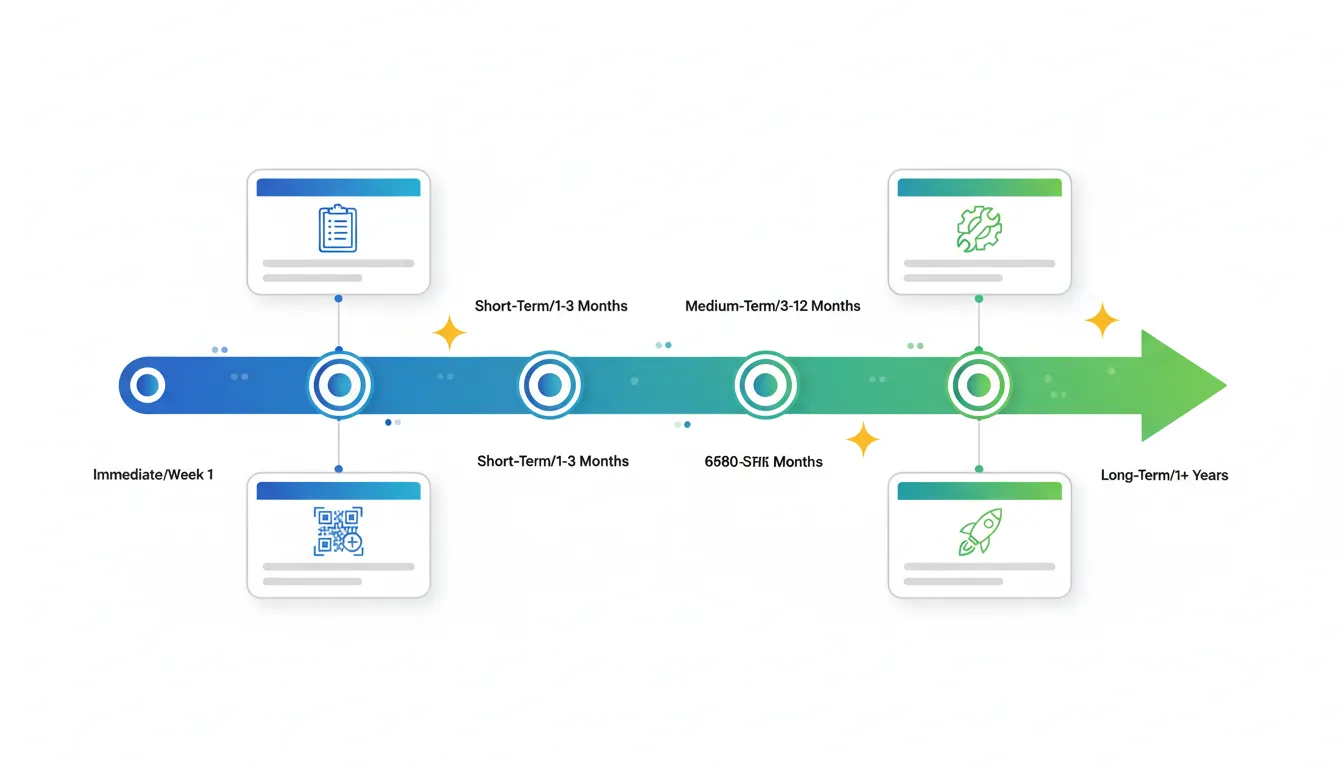
Getting Started: Your Circular Economy Roadmap
Immediate Actions (Week 1)
- Audit your current impact - Calculate waste generated, materials used, and product lifespan
- Survey your customers - What sustainability initiatives would they value most?
- Assess your products - Which are most suitable for circular programs?
- Review competitors - What circular initiatives are industry leaders implementing?
Short-Term Initiatives (1-3 Months)
- Implement Digital Product Passports - Start with your best-selling products using PassportPro
- Optimize packaging - Switch to recyclable or compostable materials
- Create repair guides - Publish basic maintenance instructions
- Partner with recyclers - Establish relationships for end-of-life management
- Launch transparency campaigns - Share your sustainability data publicly
Medium-Term Programs (3-12 Months)
- Design new products for circularity - Incorporate modular design and sustainable materials
- Launch take-back program - Offer incentives for product returns
- Establish repair services - Provide spare parts and professional repair options
- Test rental models - Pilot product-as-a-service for suitable categories
- Train your team - Educate staff on circular economy principles
Long-Term Transformation (1+ Years)
- Redesign business model - Shift from selling to servicing where appropriate
- Closed-loop material flows - Source recycled materials from take-back programs
- Supply chain transformation - Work with suppliers to improve circularity
- Industry collaboration - Join consortiums working on circular standards
- Set science-based targets - Commit to measurable circular economy goals
The Path Forward
The circular economy represents the most significant business model evolution since the Industrial Revolution. For e-commerce merchants, the question is not whether to embrace circular principles, but how quickly to implement them.
Consumer demand is rising. Regulations are tightening. Resource constraints are intensifying. Early movers gain competitive advantages that become harder to replicate as circular practices become industry standard.
Digital Product Passports are the enabling technology that makes circular economy scalable. They provide the transparency, traceability, and data access required for products to have multiple lives and materials to flow efficiently through recovery systems.
With tools like PassportPro making DPP implementation accessible, even small e-commerce businesses can adopt enterprise-level circular economy practices. The technology barrier has been removed—the only remaining question is commitment.
The merchants who thrive in the coming decade will be those who see sustainability not as a compliance burden but as a business opportunity. Those who build products designed to last, materials designed to circulate, and business models designed to regenerate.
The circular economy isn't the future of e-commerce—it's the present. The question is whether you'll lead the shift or scramble to catch up.
Resources and Next Steps
Ready to begin your circular economy journey?
- Learn more about Digital Product Passports and ESPR compliance
- Get started with PassportPro - Free trial available for Shopify merchants
- Download our Circular Economy Implementation Checklist - Step-by-step guide
- Join our community - Connect with other merchants implementing circular practices
The businesses that define the next era of e-commerce are being built today. Will yours be one of them?
About PassportPro: We help Shopify merchants create EU-compliant Digital Product Passports with QR codes, enabling transparency, building trust, and preparing for circular economy regulations. Start your free trial at passportpro.app.
Ready to get started?
Create EU-compliant Digital Product Passports for your Shopify store in minutes.
Install PassportPro on Shopify