Digital Product Passports for Electronics: ESPR Compliance for Consumer Tech Sellers
The electronics industry is experiencing its most significant regulatory transformation in decades. Following batteries and textiles, consumer electronics have emerged as the third product category subject to Digital Product Passport (DPP) requirements under the European Union's Ecodesign for Sustainable Products Regulation (ESPR). For Shopify merchants selling smartphones, laptops, tablets, appliances, and other electronic devices to EU customers, comprehensive new compliance obligations are rapidly approaching.
This transformation goes beyond traditional environmental regulations like RoHS or WEEE. Digital Product Passports for electronics aim to fundamentally reshape how these products are designed, consumed, repaired, and ultimately recycled—creating a circular economy where planned obsolescence gives way to durability, repairability, and resource efficiency.
If you sell consumer electronics in the European market, understanding and preparing for DPP requirements is essential. This guide explains what products are affected, what data your passports must contain, how these requirements connect to the broader Right to Repair movement, and practical steps for Shopify merchants to achieve compliance.
The Electronics Industry's Sustainability Challenge
Electronics represent one of the fastest-growing waste streams globally, with approximately 53.6 million metric tons of electronic waste (e-waste) generated annually worldwide. Europe alone produces over 12 million tons of e-waste each year, much of which contains valuable recoverable materials alongside hazardous substances requiring proper disposal.
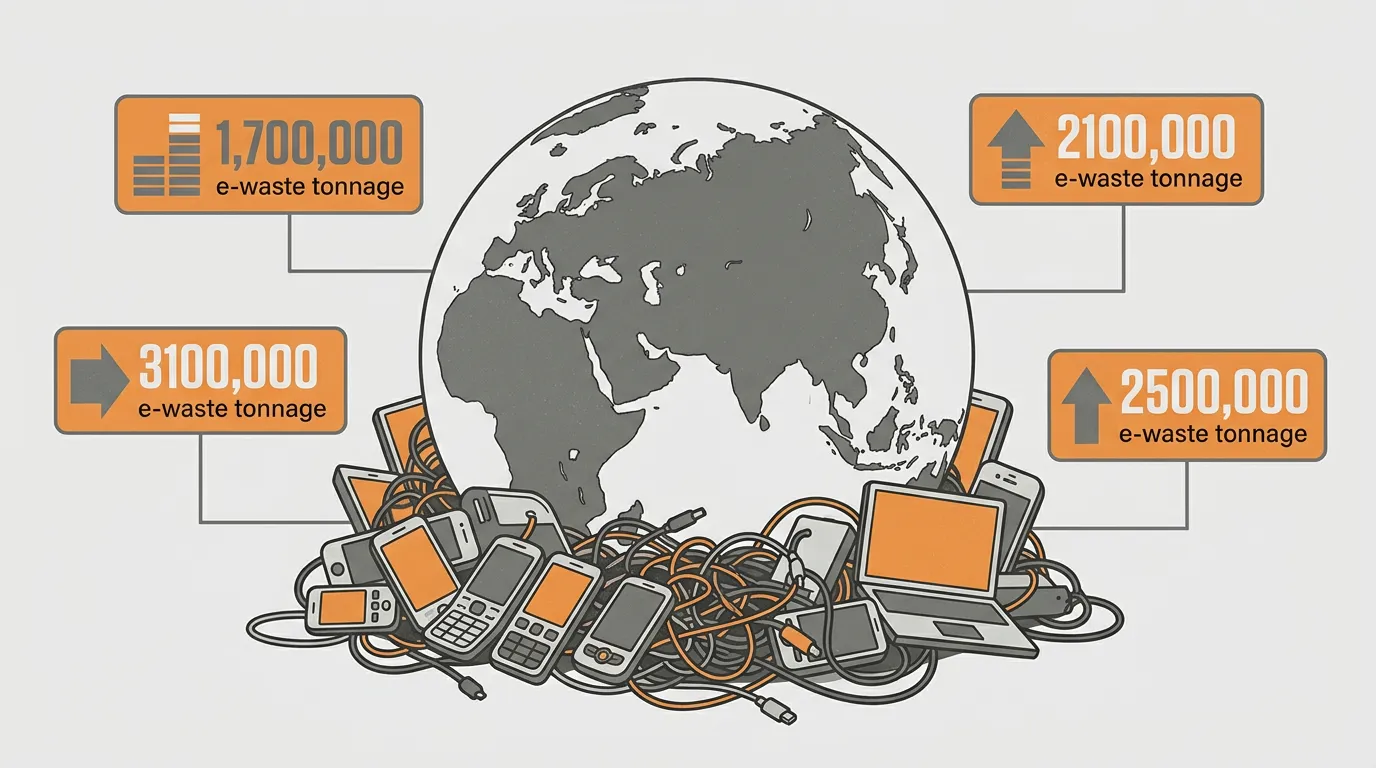
Several factors drive this waste crisis:
Planned obsolescence: Products deliberately designed with limited lifespans to encourage frequent replacement Repair barriers: Proprietary tools, unavailable spare parts, and software locks preventing independent repair Lack of transparency: Consumers have no reliable information about product durability or repairability when making purchase decisions Low recycling rates: Only about 17.4% of global e-waste is formally collected and recycled Complex material composition: Electronics contain dozens of materials that require sophisticated separation for recovery
The EU's ESPR and accompanying Digital Product Passport requirements directly target these issues, creating regulatory pressure for electronics manufacturers to prioritize durability, repairability, and recyclability from the design phase forward.
Understanding ESPR and the Legal Framework for Electronics
The Ecodesign for Sustainable Products Regulation (ESPR) creates an overarching framework for sustainable product requirements across multiple product categories. Adopted in 2024, ESPR expands dramatically on the previous Ecodesign Directive, which focused primarily on energy efficiency.
From Energy Efficiency to Circular Economy
Previous ecodesign regulations for electronics centered on energy consumption during use—leading to energy labels and minimum efficiency standards for products like refrigerators, washing machines, and displays. While important, this approach ignored the substantial environmental impacts of manufacturing, resource extraction, and end-of-life disposal.
ESPR takes a lifecycle approach, considering:
- Raw material sourcing and recycled content
- Manufacturing processes and embodied carbon
- Product durability and expected lifespan
- Reparability and spare parts availability
- Recyclability and end-of-life treatment
- Presence of hazardous substances
- Energy and resource consumption during use
Digital Product Passports serve as the information infrastructure enabling this comprehensive approach, making lifecycle data accessible to consumers, repairers, recyclers, and regulators.
Electronics-Specific Delegated Acts
While ESPR provides the legal foundation, specific requirements for electronics are detailed in product-category delegated acts currently being developed by the European Commission. These delegated acts specify:
- Which electronic products are in scope
- What data must be included in electronics DPPs
- Technical standards for data formatting and accessibility
- Verification and compliance assessment procedures
- Timeline for market implementation
Based on the Commission's published roadmap and stakeholder consultations, the following timeline is expected for electronics DPPs:
- 2025: Publication of final delegated acts for consumer electronics
- 2026-2027: Industry transition period and system implementation
- 2028-2029: Mandatory compliance for most in-scope electronic products
- 2030+: Expanded coverage and strengthened requirements
This provides a window for preparation, but the data collection requirements are substantial enough that early action is essential.
Which Electronic Products Are in Scope?
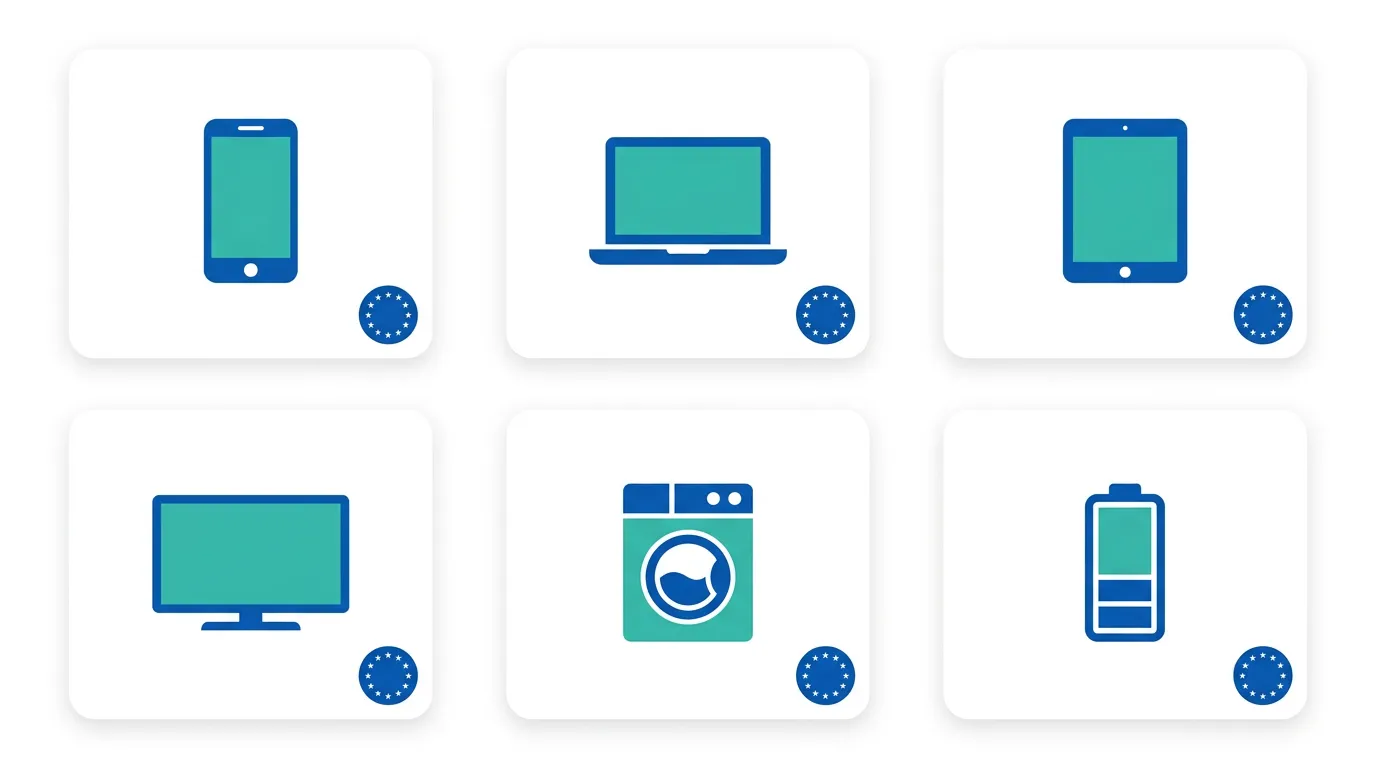
The electronics DPP requirements apply broadly to consumer-facing electronic and electrical equipment sold in the EU market. The scope is intentionally comprehensive to maximize environmental impact.
Priority Product Categories
Smartphones and Mobile Devices:
- Smartphones and feature phones
- Tablet computers and e-readers
- Smartwatches and fitness trackers
- Mobile hotspots and portable modems
Computers and Peripherals:
- Laptop computers and notebooks
- Desktop computers and workstations
- Computer monitors and displays
- Keyboards, mice, and pointing devices
- External hard drives and storage devices
- Webcams and computer accessories
Consumer Electronics:
- Television sets and monitors
- Digital cameras and camcorders
- Headphones and earbuds
- Portable speakers and audio devices
- Gaming consoles and controllers
- E-book readers
- Media streaming devices
Small Home Appliances:
- Coffee makers and electric kettles
- Vacuum cleaners (corded and cordless)
- Hair dryers and styling tools
- Electric toothbrushes
- Kitchen appliances (blenders, mixers, etc.)
- Irons and garment steamers
Large Home Appliances:
- Refrigerators and freezers
- Washing machines and dryers
- Dishwashers
- Ovens and cooktops
- Range hoods and ventilation
- Water heaters
Chargers and Power Accessories:
- Universal chargers and power adapters
- Power banks and portable batteries
- Wireless charging pads
- USB cables and charging accessories
Products Not Currently in Scope
Certain specialized electronics may be excluded or subject to separate regulations:
- Professional industrial equipment designed exclusively for commercial use
- Medical devices (subject to separate medical device regulations)
- Fixed installations and built-in systems
- Military and aerospace equipment
- Custom one-off products not mass-produced
For Shopify sellers, the practical rule is: if you're selling consumer electronics to EU customers, assume DPP requirements apply unless you have specific confirmation otherwise.
What Data Must Electronics DPPs Contain?
Electronics Digital Product Passports are among the most data-intensive DPP implementations, reflecting the complexity of these products and their environmental impacts. The required data falls into several key categories.
1. Product Identification and Model Information
Basic identification data ensures each product can be uniquely tracked:
- Manufacturer name and contact information
- Brand name (if different from manufacturer)
- Model number and version
- Serial number or unique product identifier
- Date of manufacture
- Country of manufacture
- Importer information (for non-EU manufactured products)
- EU Declaration of Conformity reference
This foundational data enables tracking products through their lifecycle and connecting physical items to their digital passport records.
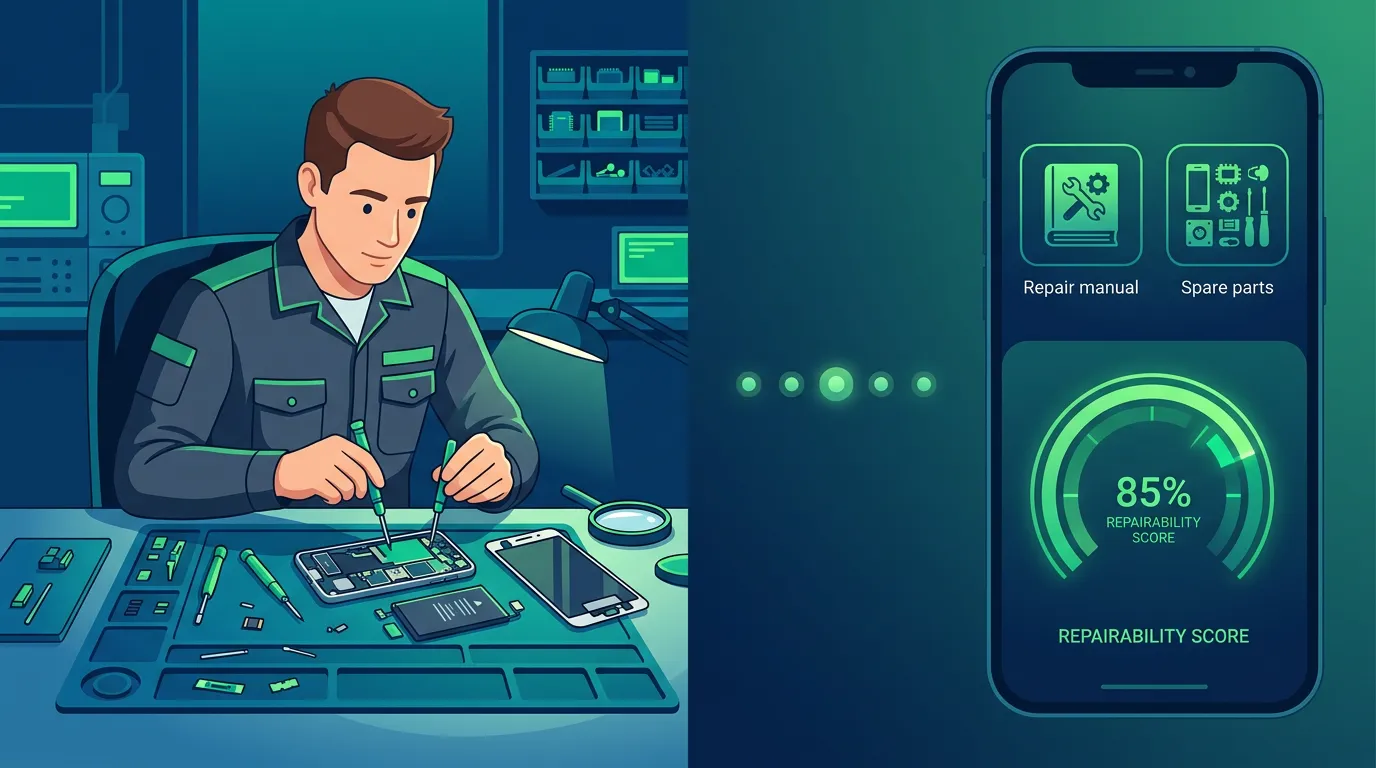
2. Repairability Information and Scores
Perhaps the most transformative requirement for electronics DPPs is comprehensive repairability data, aligned with the EU's Right to Repair Directive:
Repairability Score:
- Overall repairability rating (standardized scoring system)
- Ease of disassembly assessment
- Tool requirements (whether specialized tools are needed)
- Fastener types (screws vs. adhesives vs. proprietary fasteners)
- Repair documentation availability and quality
- Spare parts availability and pricing
Common Repair Needs:
- Most frequently failing components
- Expected lifespan before common repairs
- Typical repair costs
- Average repair time for common issues
Repair Instructions:
- Step-by-step repair guides for common issues
- Exploded view diagrams and disassembly sequences
- Software diagnostics and troubleshooting procedures
- Calibration requirements after repair
This information empowers consumers to evaluate repairability when making purchase decisions, while enabling independent repair shops to service products effectively. For sellers using platforms like PassportPro, these repair guides can be formatted into consumer-friendly interfaces that enhance product value.
3. Spare Parts Availability and Warranty Information
Repairability is meaningless without access to replacement components:
Spare Parts Data:
- List of available spare parts with part numbers
- Minimum availability period after product discontinuation (typically 7-10 years for major components)
- Pricing information for spare parts
- Ordering instructions and supplier contacts
- Delivery timeframes
- Technical specifications for each spare part
Battery Replacement Information:
- Battery type and capacity
- Expected battery lifespan (charge cycles)
- Battery replacement procedure (user-accessible vs. professional service)
- Battery replacement cost
- Recycling instructions for replaced batteries
Warranty and Service:
- Warranty period and coverage
- Extended warranty options
- Authorized service provider locations
- Service response times
- Out-of-warranty repair options and pricing
The requirement to guarantee spare parts availability for significant periods post-sale represents a major shift for consumer electronics, where manufacturers have often discontinued parts support shortly after product lines are replaced.
4. Energy Efficiency and Environmental Performance
Building on existing energy labeling requirements, electronics DPPs expand environmental disclosure:
Energy Consumption:
- Energy efficiency class (A-G rating where applicable)
- Power consumption (active mode, standby, off mode)
- Annual energy consumption estimates
- Comparison to similar products
- Energy-saving features and settings
Environmental Manufacturing Data:
- Recycled content percentage (by material type)
- Carbon footprint of production (where available)
- Water consumption in manufacturing
- Renewable energy use in production facilities
- Manufacturing facility certifications (ISO 14001, etc.)
Hazardous Substances:
- RoHS compliance (Restriction of Hazardous Substances)
- REACH compliance (Registration, Evaluation, Authorization of Chemicals)
- Presence of substances of very high concern (SVHCs)
- Heavy metal content (lead, mercury, cadmium, hexavalent chromium)
- Brominated flame retardants and other concerning additives
This chemical transparency is crucial for recycling facilities that must safely process e-waste and recover materials.
5. Recycling and End-of-Life Instructions
Circular economy principles require clear end-of-life pathways:
Recycling Information:
- Material composition breakdown (plastics, metals, glass, rare earth elements)
- Recyclable vs. non-recyclable components
- Disassembly instructions for recycling
- Hazardous component identification (batteries, displays with heavy metals, etc.)
- Recycling facility requirements (specialized vs. standard e-waste facilities)
Collection and Disposal:
- WEEE collection point information (Waste Electrical and Electronic Equipment directive)
- Take-back programs offered by manufacturer or retailer
- Proper disposal warnings (why products shouldn't be thrown in regular trash)
- Data security instructions (wiping personal data before disposal)
Material Recovery Potential:
- Recoverable valuable materials (gold, silver, copper, rare earth elements)
- Recovery complexity and processes required
- Recycling rates for similar products
This information supports the EU's circular economy goals by making it easier for consumers to properly dispose of products and for recyclers to efficiently recover materials.
6. Software and Firmware Information
Unlike purely physical products, electronics have a digital component that significantly affects longevity:
Software Support:
- Operating system and version
- Software update policy (how long updates will be provided)
- Security patch support period
- Feature update schedule
- End-of-software-support date
Firmware and Compatibility:
- Current firmware version
- Firmware update instructions
- Backward compatibility information
- Open-source components and licensing
- Software locks or repair restrictions (if any)
Software obsolescence is a major driver of electronic waste. Requiring manufacturers to disclose software support timelines creates pressure to extend support periods and design products with longer useful lives.
Connection to the EU Right to Repair Directive
Electronics DPP requirements are closely intertwined with the Right to Repair Directive, adopted by the European Parliament in 2024. These complementary regulations work together to transform the electronics ecosystem from one of disposability to one of durability and repairability.
Right to Repair Key Provisions
The Right to Repair Directive establishes several consumer rights:
Access to Repair:
- Manufacturers must provide spare parts at reasonable prices
- Independent repairers must have access to technical documentation and parts
- Repair information must be available free of charge
- Software tools for diagnostics and repair must be accessible
- Products must be designed for disassembly and repair
Extended Liability:
- Warranty extension when products are repaired (adding 12 months to warranty for any repair)
- Manufacturers cannot refuse repair for minor damage unrelated to the defect
- Right to choose between repair and replacement for warranty claims
Repair Promotion:
- Incentives for choosing repair over replacement
- Online platform for finding repairers
- Common European Repair Information Form for transparency
How DPPs Enable Right to Repair
Digital Product Passports provide the information infrastructure that makes Right to Repair practical:
- Repairability scores help consumers choose repairable products at purchase
- Spare parts listings in DPPs connect consumers and repairers to needed components
- Repair instructions embedded in passports reduce repair barriers
- Warranty tracking through digital passports makes warranty extension enforcement possible
- Repairer access to DPP technical data enables independent repair businesses
Without the comprehensive product data that DPPs require, many Right to Repair provisions would be difficult to implement or enforce. Together, these regulations create a powerful framework for circular electronics.
Impact on Sellers Sourcing from Asian Manufacturers
Most consumer electronics sold globally are manufactured in Asia, particularly in China, Vietnam, Taiwan, South Korea, and Malaysia. For Shopify merchants sourcing products from these regions, DPP compliance creates new supply chain challenges and opportunities.
Challenges with Asian Supply Chains
Language and communication barriers:
- Technical documentation may need translation
- Misunderstandings about data requirements
- Cultural differences in transparency expectations
Data availability and quality:
- Manufacturers may not track granular data required for DPPs
- Environmental and social compliance data may be incomplete
- Supply chains can be opaque, with multiple subcontractors
Quality control variations:
- Inconsistent manufacturing processes can create product-to-product variations
- Difficulty verifying accuracy of provided data
- Batch-to-batch material changes that affect DPP data
Intellectual property concerns:
- Manufacturers may resist sharing detailed technical information
- Proprietary processes and formulas complicate transparency
- Competition concerns about revealing supplier relationships
Strategies for Success
Select partners carefully:
- Work with established manufacturers familiar with EU regulations
- Prioritize suppliers with existing certifications (ISO 14001, SA8000, etc.)
- Consider manufacturers who already supply to EU-compliant brands
- Visit facilities in person when possible to verify capabilities
Build strong relationships:
- Establish long-term partnerships rather than transactional relationships
- Invest in mutual understanding of compliance requirements
- Provide templates and clear examples of needed data
- Consider technical support to help suppliers collect and format data
Implement verification processes:
- Conduct regular third-party audits of supplier claims
- Request certification documentation and test reports
- Cross-reference supplier data with industry standards
- Build quality control checks into your procurement process
Use technology intermediaries:
- Work with sourcing agents who understand EU compliance
- Leverage platforms that facilitate supplier data collection
- Consider supply chain transparency tools that integrate with Asian manufacturers
- Use translation and data formatting services when needed
Build DPP costs into pricing:
- Account for additional supplier verification costs
- Budget for third-party testing and certification
- Factor in the time required for data collection and validation
- Consider these compliance costs investments in market access and brand value
Many forward-thinking Asian manufacturers are proactively adapting to EU requirements, recognizing that compliance opens valuable market opportunities. By clearly communicating your needs and supporting your suppliers' adaptation, you can turn potential compliance obstacles into competitive advantages.
Practical Steps for Shopify Consumer Tech Sellers
The complexity of electronics DPP compliance can feel overwhelming, but systematic preparation makes it manageable. Here's a step-by-step approach for Shopify merchants selling consumer electronics.
Step 1: Inventory Your Products and Assess Scope
Begin with a complete audit of your product catalog:
Create a product matrix:
- List all electronic products you currently sell
- Identify which fall under DPP requirements
- Note country of manufacture for each product
- Document current supplier for each item
- Mark products you private label vs. resell branded items
Determine responsibility:
- For branded products you resell, the brand manufacturer is typically responsible for DPP creation
- For private label products, you're responsible as the economic operator
- For imports, you may be the importer of record requiring DPP compliance
This assessment clarifies the scope of your compliance obligations and helps prioritize preparation efforts.
Step 2: Collect Existing Product Data
Gather whatever product information you currently have:
Technical documentation:
- Product manuals and user guides
- Technical specification sheets
- Safety certifications (CE, RoHS, FCC, etc.)
- Test reports and compliance declarations
- Warranty documentation
Supply chain documentation:
- Manufacturing contracts and agreements
- Bill of materials (BOM) from manufacturers
- Supplier facility certifications
- Third-party audit reports
- Import documentation and customs declarations
Environmental data:
- Energy efficiency test reports
- Material composition information
- Recycling instructions
- WEEE registration documentation
Many sellers discover they have more information than expected, but in fragmented, unstructured formats. Consolidating this data is the foundation for DPP creation.
Step 3: Identify and Address Data Gaps
Compare what you have against DPP requirements to identify gaps:
Common missing data for electronics:
- Detailed repairability scores and assessments
- Spare parts availability periods and pricing
- Battery replacement procedures and costs
- Software support timelines and end-of-life dates
- Recycled content percentages in materials
- Manufacturing facility environmental certifications
- Detailed chemical substance declarations
Prioritize gap-filling:
- Start with data that's easiest to obtain
- Focus on information that differentiates your products positively
- Request missing information from manufacturers immediately (lead times can be long)
- Consider third-party testing for data manufacturers can't provide
For private label sellers, you may need to commission independent testing and assessment to generate repairability scores and environmental performance data.
Step 4: Engage Manufacturers and Suppliers
Manufacturer cooperation is essential for electronics DPP compliance:
Initial outreach:
- Explain EU DPP requirements clearly
- Provide specific data format templates
- Set deadlines for information submission
- Ask about their current compliance preparations
Request comprehensive data packages:
- Full bill of materials with chemical composition
- Manufacturing process documentation
- Environmental impact assessments
- Repair manuals and spare parts catalogs
- Software support policies
- End-of-life recycling procedures
Negotiate terms:
- Make DPP data provision a contract requirement for future orders
- Discuss cost sharing for any needed third-party testing
- Establish ongoing data update procedures
- Clarify intellectual property and confidentiality terms
Build supplier capabilities:
- Share training materials on DPP requirements
- Connect suppliers with compliance resources
- Consider collaborative approaches with other brands sourcing from the same manufacturers
Some manufacturers will be ahead of the curve; others will need guidance. Your engagement accelerates their preparation while securing the data you need.
Step 5: Implement a DPP Management Platform
Manual DPP management is impractical at scale. Technology platforms purpose-built for DPP compliance are essential:
Core platform capabilities needed:
- Structured data collection workflows for electronics-specific requirements
- Supplier portal for direct data submission
- QR code and NFC tag generation
- Consumer-facing passport interface
- Multi-language support for EU markets
- Integration with Shopify product catalog
- Update management for product changes
- Compliance monitoring and alerts
PassportPro is designed specifically for Shopify merchants, offering:
- Electronics-specific data templates aligned with ESPR requirements
- Automated QR code assignment to products
- Mobile-optimized consumer passport experience
- Supplier collaboration tools
- Visual repairability guides and exploded diagrams
- Integration with existing product information
- Ongoing regulatory update notifications
When evaluating platforms, prioritize those that understand electronics-specific requirements and can adapt as regulations evolve.
Step 6: Design Product Packaging and Labeling
Your DPP will be accessed via QR codes or NFC technology on product packaging, labels, or the device itself:
QR code implementation:
- Include QR codes on product packaging, user manuals, or device labels
- Ensure sufficient size (minimum 2cm x 2cm) for reliable scanning
- Use high contrast for print clarity
- Provide brief explanatory text ("Scan for product passport")
- Consider branded QR codes that align with your visual identity
NFC tag option:
- For premium products, NFC tags enable tap-to-scan convenience
- Can be embedded in product housing or premium packaging
- Supports additional functionality (product registration, warranty activation)
- Higher cost than QR codes but enhanced user experience
Multi-access approach:
- Provide both QR code and URL for accessibility
- Print QR code on removable packaging and permanent device label
- Include backup access method in user manual
The physical implementation affects both consumer experience and compliance verification, so test thoroughly before production runs.
Step 7: Develop Ongoing Compliance Processes
DPP compliance is not a one-time project; it requires continuous management:
Product lifecycle management:
- Update DPP data when product specifications change
- Track software support timelines and update end-of-life dates
- Monitor spare parts availability and update DPP if parts become unavailable
- Archive DPP data for discontinued products (retention requirements apply)
New product onboarding:
- Establish DPP data collection as part of product development
- Require supplier data submission before inventory ordering
- Build DPP creation into product launch checklists
- Test QR code functionality before product release
Verification and quality control:
- Conduct periodic audits of DPP data accuracy
- Cross-check supplier claims against independent sources
- Update information based on product performance data
- Respond to consumer feedback about DPP content
Regulatory monitoring:
- Track updates to electronics delegated acts
- Monitor enforcement actions and guidance documents
- Participate in industry associations for collective intelligence
- Update DPP platforms when technical standards evolve
Assign clear internal responsibility for DPP management to ensure processes are consistently followed.
Competitive Advantages of Electronics DPP Compliance
While compliance is mandatory for EU market access, early and comprehensive DPP implementation creates distinct competitive advantages.
Consumer Trust and Brand Differentiation
In a market saturated with electronics of questionable quality and longevity, transparency builds trust:
- Verified repairability appeals to cost-conscious consumers seeking long-term value
- Software support commitments differentiate products in markets plagued by obsolescence
- Environmental transparency resonates with sustainability-focused buyers
- Comprehensive warranties and repair services create confidence in product quality
Brands that frame DPP transparency as a value proposition rather than compliance obligation stand out from competitors doing the minimum.
Reduced Returns and Support Costs
Transparent product information reduces customer dissatisfaction:
- Customers understand product limitations before purchase (reducing unrealistic expectations)
- Clear care and maintenance instructions extend product life (reducing warranty claims)
- Accessible troubleshooting guides reduce support ticket volume
- Repairability information enables customers to fix minor issues themselves
These operational benefits can offset compliance costs through improved margins and customer satisfaction.
Market Access and Future-Proofing
Beyond the EU market, DPP compliance positions you for:
- Similar regulations emerging in other jurisdictions (UK, California, Australia)
- Retailer requirements as major platforms adopt transparency expectations
- B2B opportunities as corporate buyers prioritize sustainable suppliers
- Insurance and financing benefits for demonstrably sustainable operations
Regulatory trends globally are toward greater transparency and circularity. EU compliance prepares you for this future.
Conclusion: Electronics in the Circular Economy
Digital Product Passport requirements for electronics represent the EU's most ambitious effort yet to transform a major industry toward sustainability. For Shopify merchants selling consumer tech, these requirements demand significant preparation: detailed data collection, supply chain engagement, technology platform implementation, and ongoing compliance management.
The required data is comprehensive: product identification, detailed repairability information, spare parts availability, energy efficiency metrics, hazardous substance declarations, recycling instructions, and software support timelines. This represents a fundamental shift from the limited transparency historically available in electronics markets.
Yet within this regulatory challenge lies opportunity. Electronics DPPs, in concert with Right to Repair legislation, are creating market conditions that reward durability, repairability, and quality—reversing decades of planned obsolescence. Brands that embrace this shift, communicate their transparency as a value proposition, and genuinely design for longevity will thrive in the emerging circular economy.
The practical path forward is clear: audit your current products and data, engage your Asian manufacturers early and supportively, implement a robust DPP management platform like PassportPro, design thoughtful QR code integration, and build ongoing compliance into your operations.
The electronics industry's future is circular, transparent, and repairable. Those who lead this transition won't just achieve compliance—they'll build brands that earn lasting consumer trust and loyalty in an increasingly conscious marketplace.
Ready to get started?
Create EU-compliant Digital Product Passports for your Shopify store in minutes.
Install PassportPro on Shopify