EU ESPR Compliance Guide: What Shopify Merchants Need to Know in 2025
The European Union is transforming how products are sold across its member states with the introduction of the Ecodesign for Sustainable Products Regulation (ESPR). For Shopify merchants selling to European customers, understanding and complying with this regulation isn't optional—it's essential for continued market access.
In this comprehensive guide, we'll break down everything you need to know about EU ESPR compliance, including what it means for your business, key deadlines, and actionable steps to ensure you're ready.
What Is the EU ESPR Regulation?
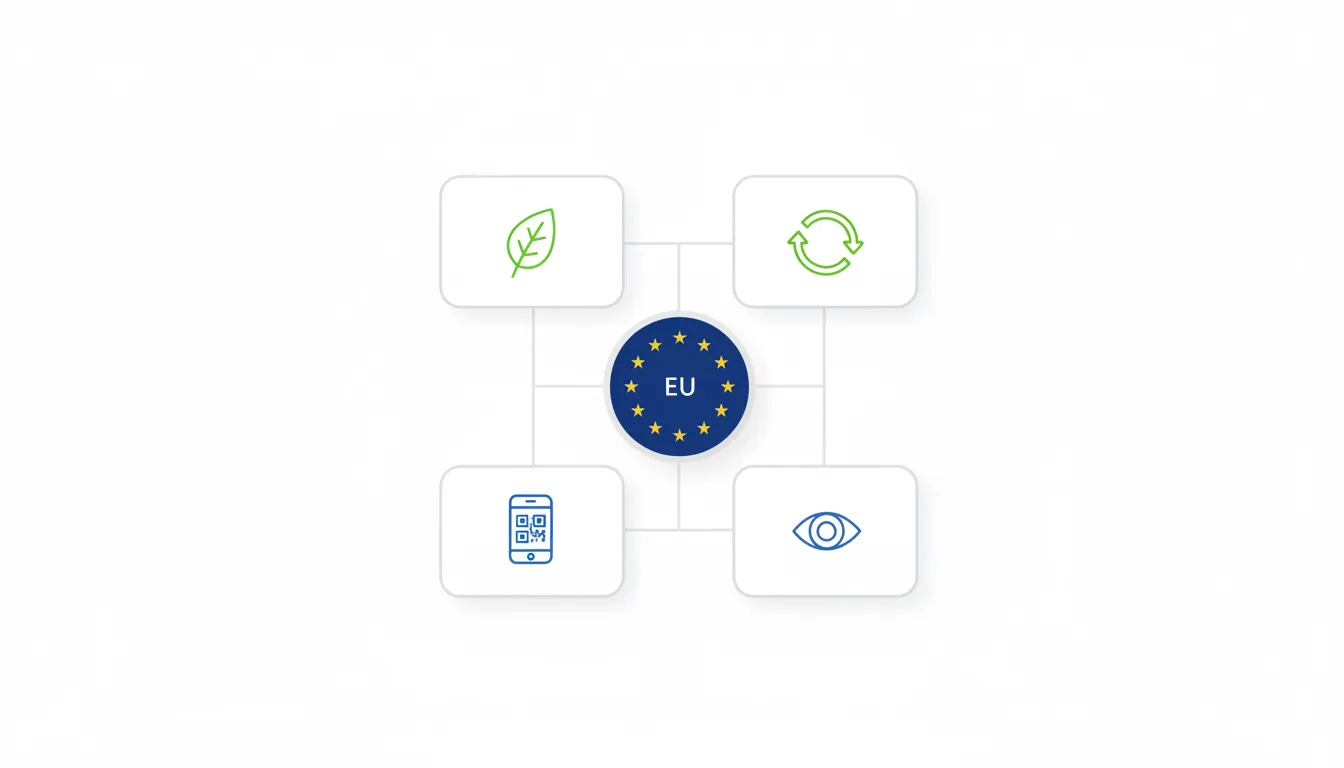
The Ecodesign for Sustainable Products Regulation (ESPR) is landmark EU legislation designed to make products more sustainable, circular, and environmentally friendly throughout their entire lifecycle. Officially adopted in 2024, the ESPR replaces and significantly expands the previous Ecodesign Directive, which primarily focused on energy-related products.
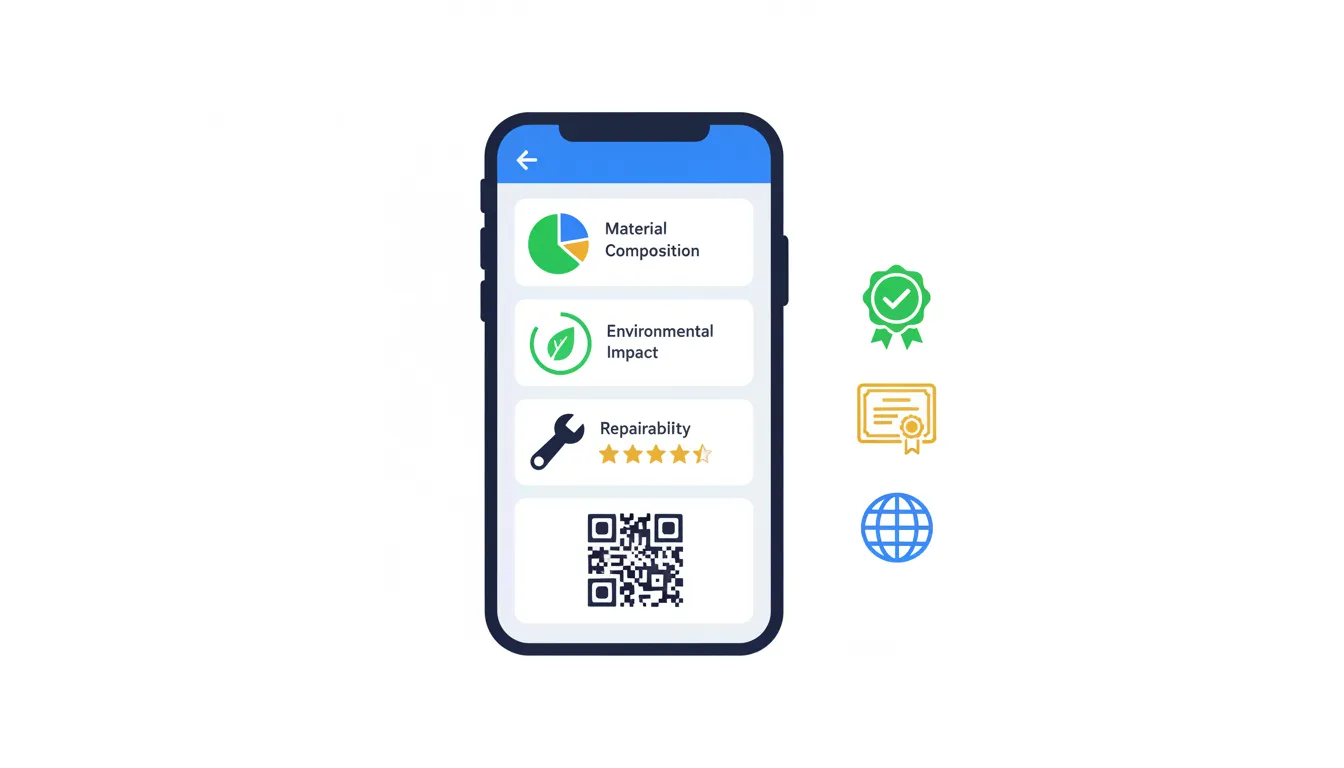
The regulation introduces several groundbreaking requirements, with the most significant being the Digital Product Passport (DPP)—a digital record containing detailed information about a product's materials, environmental impact, repairability, recyclability, and supply chain transparency.
Key Objectives of the ESPR
The ESPR aims to:
- Improve product durability and repairability to extend product lifecycles
- Increase material efficiency and promote the use of recycled content
- Enable circular economy practices through better recycling and remanufacturing
- Enhance transparency so consumers can make informed, sustainable choices
- Reduce environmental footprint across all product categories
- Prevent greenwashing through standardized, verifiable product information
Unlike voluntary sustainability initiatives, ESPR compliance is mandatory for selling regulated products in the EU market, making it a critical business consideration for e-commerce merchants.
Timeline and Key Dates for ESPR Implementation
Understanding the ESPR rollout timeline is crucial for planning your compliance strategy. The regulation is being implemented in phases:
2024
- July 2024: ESPR officially entered into force
- Late 2024: First delegated acts defining specific product requirements began development
2025-2026
- 2025: Initial pilot programs for Digital Product Passports launch
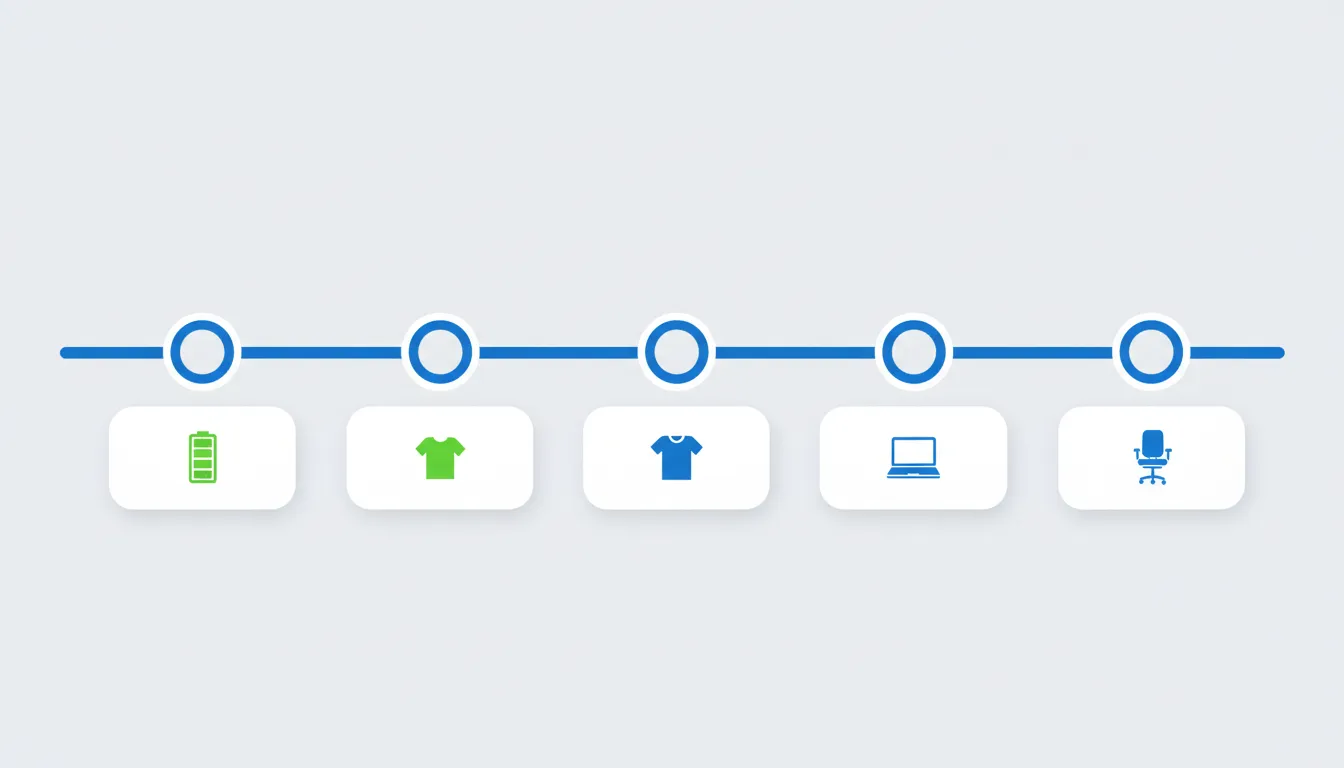
- Q2 2025: First product categories face DPP requirements (batteries)
- 2026: Textile and fashion products become subject to DPP requirements
2027-2030
- 2027: Electronics, furniture, and additional product categories phased in
- 2028-2030: Progressive expansion to cover the majority of physical goods sold in the EU
The European Commission is adopting a phased approach, starting with product categories that have the highest environmental impact or where circularity can deliver the greatest benefits. However, merchants should begin preparing now, as the infrastructure and data collection processes take time to establish.
Which Products Are Affected by ESPR?
The ESPR is remarkably broad in scope. While specific requirements vary by product category, the regulation potentially covers almost all physical goods sold in the EU, with only a few exceptions.
Priority Product Categories (2025-2027)
-
Batteries and Accumulators (first category, 2025)
- Portable batteries, electric vehicle batteries, industrial batteries
-
Textiles and Fashion (2026)
- Clothing, footwear, accessories, home textiles
-
Electronics (2027)
- Smartphones, tablets, laptops, household appliances
-
Furniture (2027)
- Home and office furniture, mattresses
-
Iron, Steel, and Aluminum Products
- Construction materials, industrial components
Future Expansion
Additional categories being considered include:
- Toys
- Cosmetics and detergents
- Paints and lubricants
- Packaging materials
- Chemical products
Important note: Even if your specific product category doesn't have detailed requirements yet, laying the groundwork now will save considerable time and resources when DPP requirements expand.
What Information Must Digital Product Passports Contain?
Digital Product Passports are the cornerstone of ESPR compliance. While specific data requirements vary by product type, DPPs generally must include:
Basic Product Information
- Unique product identifier
- Manufacturer details and contact information
- Country of manufacture
- Product model and batch numbers
- Date of manufacture
Material Composition
- Detailed breakdown of materials used
- Presence of substances of concern
- Recycled content percentage
- Hazardous materials and handling instructions
Environmental Performance
- Carbon footprint and GHG emissions
- Energy efficiency ratings
- Water usage in production
- Environmental certifications
Circularity Information
- Expected product lifespan
- Repairability score and repair instructions
- Availability of spare parts
- Disassembly instructions for recycling
- End-of-life handling guidance
Supply Chain Transparency
- Traceability of key materials
- Social compliance certifications
- Geographic origin of components
This information must be accessible via data carriers (typically QR codes or NFC tags) that link to a digital interface displaying the passport information in a standardized format.
How Non-Compliance Affects Shopify Merchants
Failing to comply with ESPR requirements carries serious consequences for e-commerce businesses:
Market Access Restrictions
Non-compliant products cannot legally be sold in EU member states. Customs authorities can block imports, and marketplaces may delist non-compliant products.
Financial Penalties
EU member states can impose significant fines for ESPR violations, potentially reaching hundreds of thousands of euros depending on the severity and scale of non-compliance.
Reputational Damage
In an era where sustainability matters to consumers, being flagged for non-compliance can severely damage your brand's reputation and customer trust.
Competitive Disadvantage
Merchants who comply early gain a competitive edge by demonstrating commitment to sustainability, while late adopters struggle to catch up.
Operational Disruption
Scrambling to achieve compliance at the last minute is costly, time-consuming, and diverts resources from growth initiatives.
How to Prepare for ESPR Compliance Now
Don't wait until requirements become mandatory for your product category. Here's your action plan:
Step 1: Audit Your Product Catalog
Identify which products you sell that will be subject to ESPR requirements. Prioritize batteries, textiles, and electronics if you sell these categories.
Step 2: Assess Your Supply Chain
Work with suppliers to understand material composition, manufacturing processes, and environmental impacts. Request product documentation and certifications.
Step 3: Start Collecting Data
Begin gathering the information needed for Digital Product Passports:
- Material composition and sourcing
- Manufacturing locations and processes
- Carbon footprint calculations
- Repairability and end-of-life information
Step 4: Implement a DPP Solution
Choose a Digital Product Passport platform that integrates with your Shopify store and meets EU requirements. Look for solutions that offer:
- Easy data input and management
- QR code generation
- Compliance with EU data standards
- Regular updates as regulations evolve
Step 5: Train Your Team
Ensure your product development, procurement, and customer service teams understand ESPR requirements and how to maintain compliance.
Step 6: Communicate Proactively
Use your DPP implementation as a marketing opportunity. Customers increasingly value transparency and sustainability.
How PassportPro Simplifies ESPR Compliance for Shopify
PassportPro is designed specifically to help Shopify merchants navigate ESPR compliance effortlessly. Here's how it helps:
Seamless Shopify Integration
Install PassportPro directly from the Shopify App Store. No complex setup or technical expertise required—start creating Digital Product Passports in minutes.
Guided Data Collection
PassportPro's intuitive interface walks you through exactly what information you need for each product category, ensuring nothing is missed.
Automated QR Code Generation
Generate compliant QR codes that link to beautifully designed, mobile-friendly Digital Product Passports your customers can scan.
Always Up-to-Date
As ESPR requirements evolve and new delegated acts are published, PassportPro automatically updates to ensure your passports remain compliant.
Professional Passport Display
Your Digital Product Passports are presented in a clean, professional format that builds customer trust and demonstrates your commitment to transparency.
Bulk Management
Manage passports for hundreds or thousands of products efficiently with bulk editing and template features.
Analytics and Insights
Track how customers interact with your Digital Product Passports and use these insights to improve your sustainability communication.
Conclusion: The Time to Act Is Now
The EU ESPR represents a fundamental shift in how products are regulated and sold in Europe. While the requirements may seem daunting, early preparation positions your Shopify business for success in the sustainable commerce era.
By understanding the regulation, starting data collection now, and implementing the right tools like PassportPro, you can turn ESPR compliance from a regulatory burden into a competitive advantage that resonates with environmentally conscious consumers.
Don't wait until your product category is regulated—start building your Digital Product Passport infrastructure today and lead your industry toward a more sustainable, transparent future.
Ready to get started? Install PassportPro from the Shopify App Store and create your first compliant Digital Product Passport in under 5 minutes.
Ready to get started?
Create EU-compliant Digital Product Passports for your Shopify store in minutes.
Install PassportPro on Shopify