Greenwashing vs. Genuine Sustainability: How Digital Product Passports End False Claims
Greenwashing vs. Genuine Sustainability: How Digital Product Passports End False Claims
The "eco-friendly" era is over. The era of provable sustainability has begun.
For years, brands have slapped green leaves on packaging, used words like "natural" and "sustainable" without definition, and watched their sales climb. But consumers are waking up, regulators are cracking down, and the EU's new legislation is about to make greenwashing not just unethical—but illegal and expensive.
Digital Product Passports (DPPs) aren't just another compliance checkbox. They're the death knell for vague environmental claims and the competitive advantage for brands with nothing to hide.
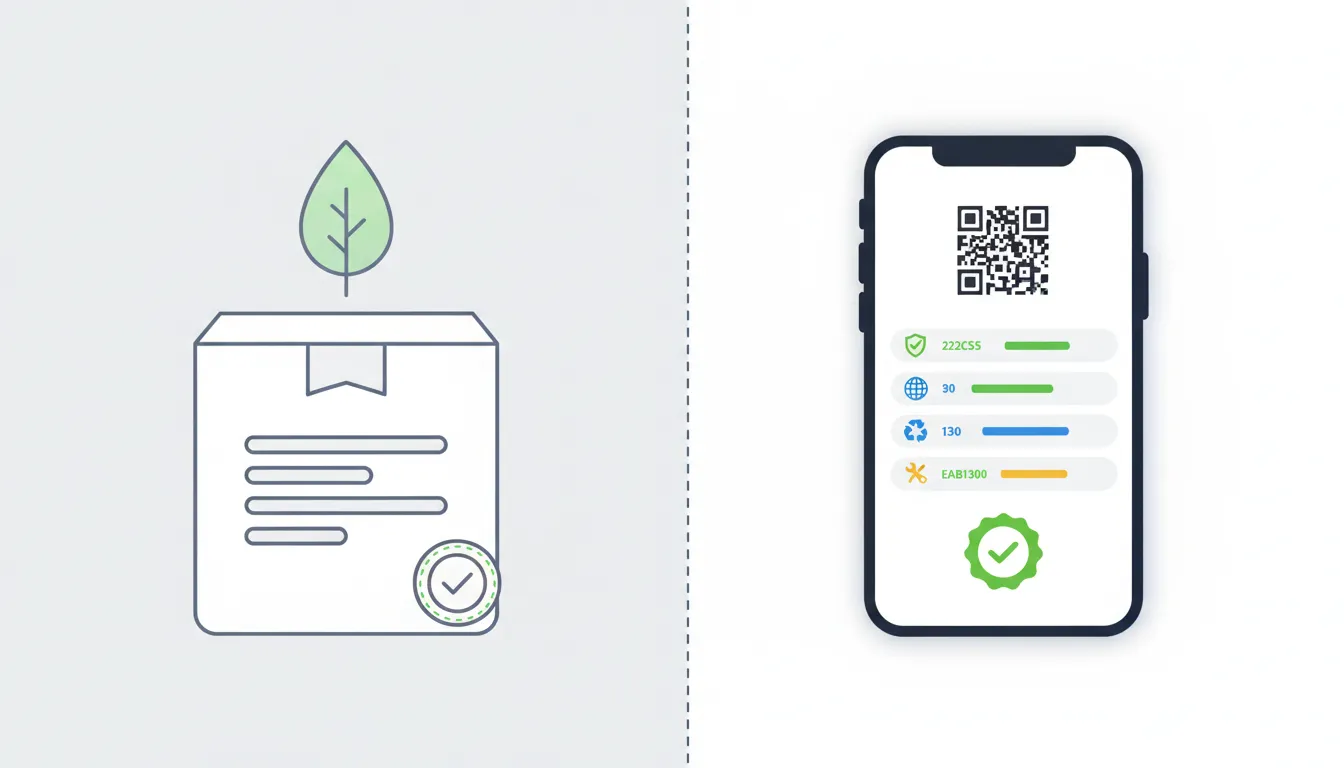
The Greenwashing Epidemic: By the Numbers
Let's be clear about the scale of the problem we're facing:
- 53% of environmental claims made by companies in the EU are vague, misleading, or completely unfounded, according to a 2021 European Commission screening
- 40% of claims had no supporting evidence whatsoever
- The global greenwashing detection market is expected to reach $1.2 billion by 2030—because the problem is that massive
- 68% of consumers believe companies exaggerate their sustainability credentials
We're not talking about minor infractions. We're talking about systematic deception on a scale that has eroded consumer trust across entire industries.
What Exactly Is Greenwashing?
Greenwashing is the practice of making misleading or false claims about the environmental benefits of a product, service, or company practice. It's when marketing spin outpaces actual sustainability efforts.
The tactics are varied:
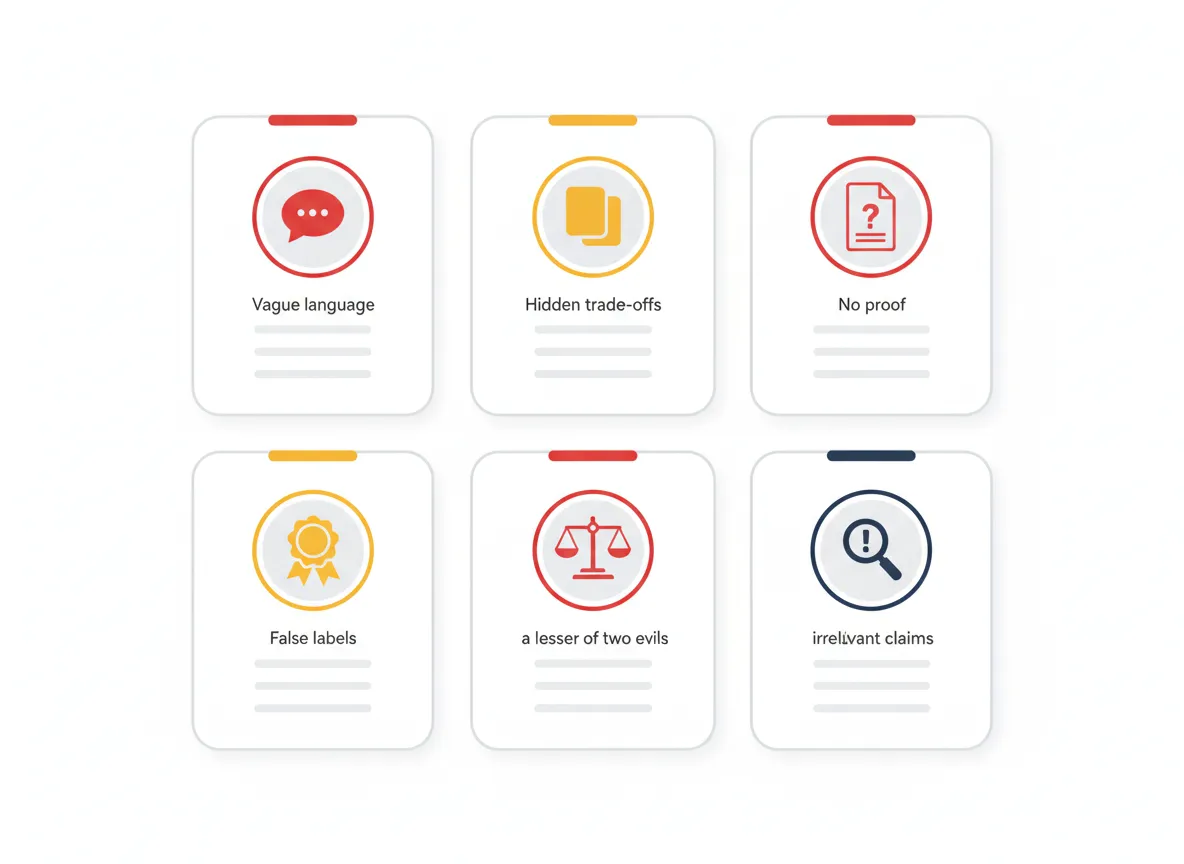
- Vague language: "Eco-friendly," "green," "natural," "sustainable"—words that sound good but mean nothing without specifics
- Hidden trade-offs: A product might be made from recycled materials but produced in an energy-intensive process
- No proof: Environmental claims with no accessible data or third-party verification
- False labels: Creating imagery that mimics official certifications
- Lesser of two evils: Marketing a harmful product as "better" than alternatives while still being fundamentally problematic
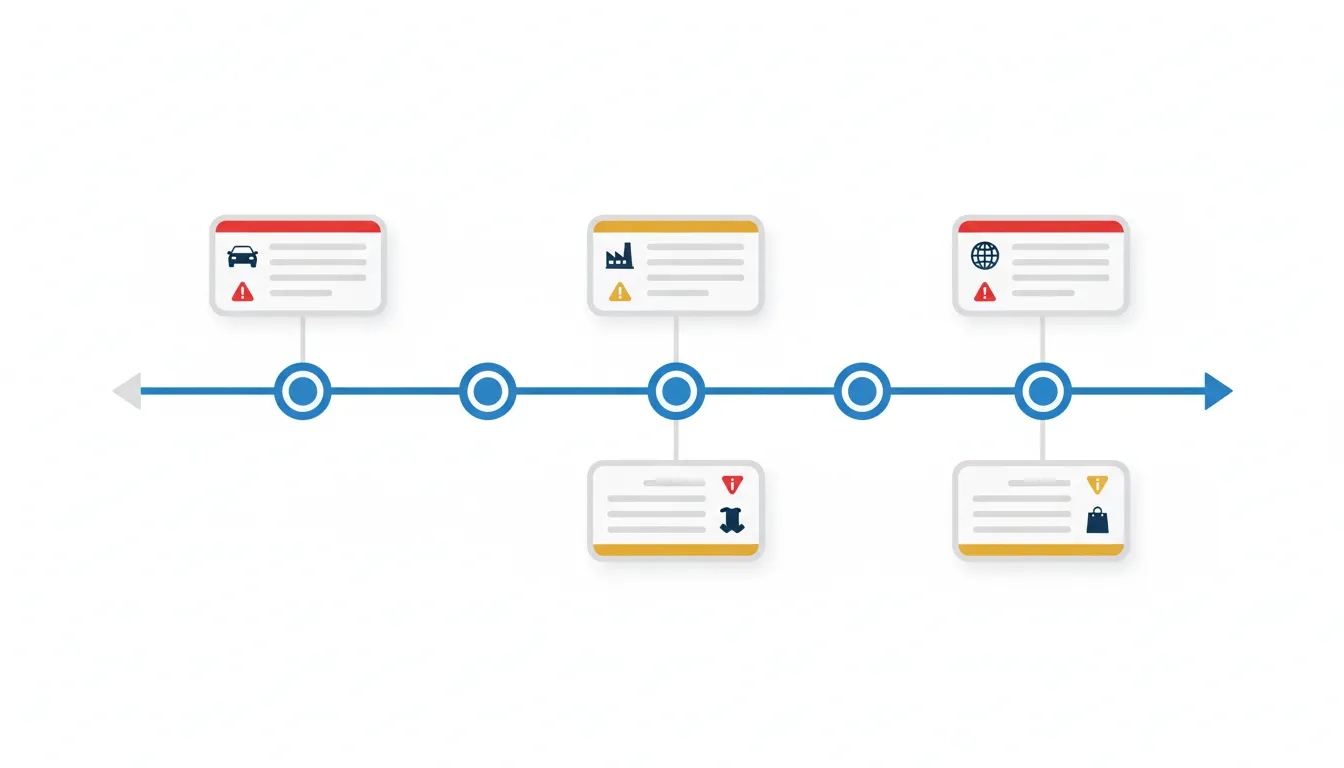
When Greenwashing Goes Public: Notable Scandals
The cost of getting caught isn't just reputational anymore—it's financial and legal.
H&M's "Conscious Collection" Class Action
In 2022, H&M faced a class-action lawsuit in the US over its "Conscious Collection" marketing. The lawsuit alleged that H&M's sustainability scorecards were misleading, that products weren't as environmentally friendly as claimed, and that the entire labeling system gave consumers a false impression.
The problem? H&M's own sustainability metrics showed their "conscious" products often had environmental impacts barely different from their regular products. The scorecard methodology was unclear, and the standards were self-created—not independently verified.
Volkswagen Dieselgate: The $33 Billion Lesson
In 2015, Volkswagen admitted to installing defeat devices in 11 million diesel vehicles worldwide. These devices detected when cars were being tested for emissions and changed performance to meet standards—while emitting up to 40 times the allowed limit during normal driving.
VW had marketed these vehicles as "clean diesel." The scandal cost the company over $33 billion in fines and settlements and shattered the trust of millions of customers.
Fashion's "Eco" Label Problem
A 2021 report by the Changing Markets Foundation found that 59% of environmental claims made by European fashion brands were unsubstantiated. Brands used terms like "eco," "sustainable," and "conscious" without clear definitions or evidence.
When Norwegian authorities investigated, they found that many "eco" claims violated consumer protection laws. Several major brands received formal warnings and were forced to remove misleading marketing materials.
The Regulatory Response: EU Cracks Down
The European Union isn't playing around anymore. Two major pieces of legislation are fundamentally changing the rules:
The Green Claims Directive (Proposed 2023)
This directive tackles greenwashing head-on with specific, enforceable requirements:
All environmental claims must be:
- Substantiated with verifiable, scientific data
- Based on life cycle assessment using internationally recognized methods
- Independently verified by accredited third-party certifiers
- Presented in clear, accessible language that consumers can understand
Banned practices include:
- Generic environmental claims like "eco-friendly," "green," or "sustainable" without specific supporting evidence
- Environmental labels not based on third-party verification or official certification schemes
- Claims about the entire product when only certain aspects are environmentally beneficial
- Claims about future environmental performance ("will be carbon neutral by 2030") without a clear, publicly available implementation plan
The penalties? Member states must ensure fines are "effective, proportionate, and dissuasive"—which in practice means potentially millions of euros for large companies.
The Empowering Consumers Directive (Adopted 2024)
This directive complements the Green Claims Directive by:
- Banning generic environmental claims that don't provide specific, verifiable information
- Prohibiting sustainability labels that aren't based on certification schemes or established by public authorities
- Requiring clear information about product durability and reparability
- Making greenwashing a practice subject to enforcement under consumer protection law
Effect date: Member states must transpose these rules into national law by March 2026, with enforcement beginning shortly after.
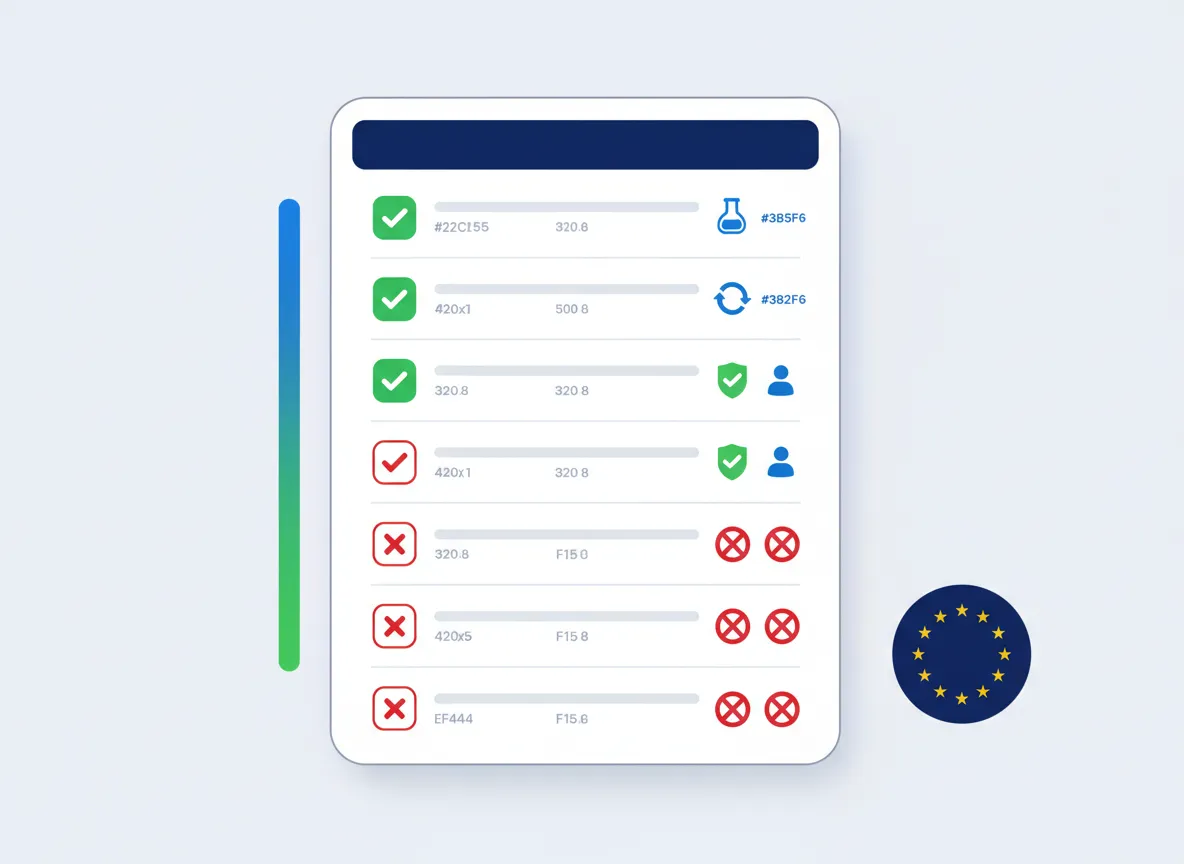
How Digital Product Passports Eliminate Greenwashing
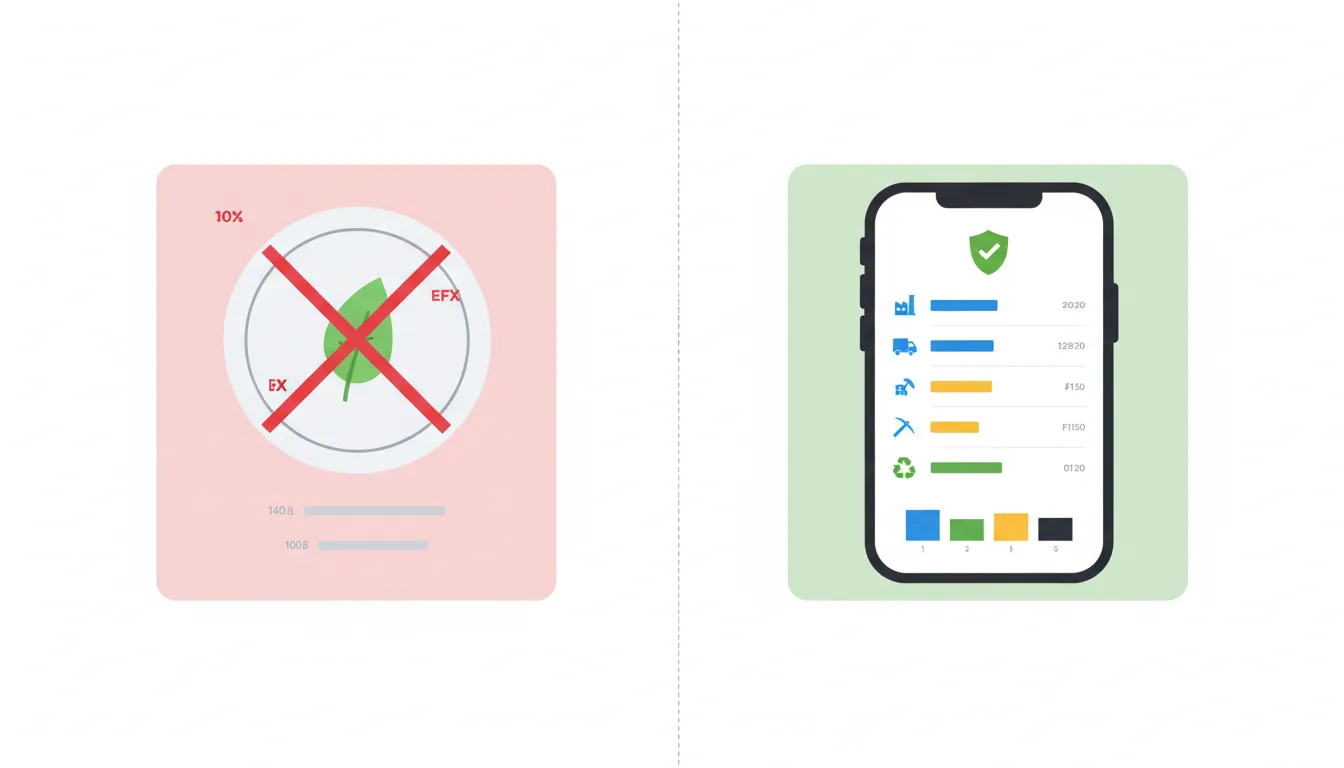
Here's where Digital Product Passports fundamentally change the game. DPPs aren't marketing materials—they're standardized, machine-readable databases of verifiable product information.
Standardized Data Replaces Marketing Language
Instead of: "Made with sustainable materials"
DPP provides:
- Material composition by weight percentage
- Origin of each material
- Certification status of each material (e.g., FSC-certified wood, Global Recycled Standard polyester)
- Environmental impact scores for each material category
There's no room for interpretation. The data is either there or it's not.
Verifiable Carbon Footprint vs. "Carbon Neutral" Claims
The term "carbon neutral" has become almost meaningless. Companies use different calculation methods, include or exclude different phases of the product lifecycle, and compensate with carbon credits of wildly varying quality.
A DPP includes:
- Carbon emissions from raw material extraction
- Manufacturing emissions
- Transportation emissions
- End-of-life emissions
- The specific methodology used (ISO 14067, GHG Protocol, etc.)
- Whether carbon offsets are included, and if so, the exact projects and verification standards
When claims are this specific, greenwashing becomes nearly impossible. If your product's carbon footprint is 50 kg CO2e, you can't market it as "low carbon" when competing products are at 5 kg CO2e.
Traceable Supply Chains vs. "Ethically Sourced"
"Ethically sourced" is one of the most abused terms in sustainability marketing. What does it mean? Fair wages? No child labor? Environmental standards? All of the above? Who verified it?
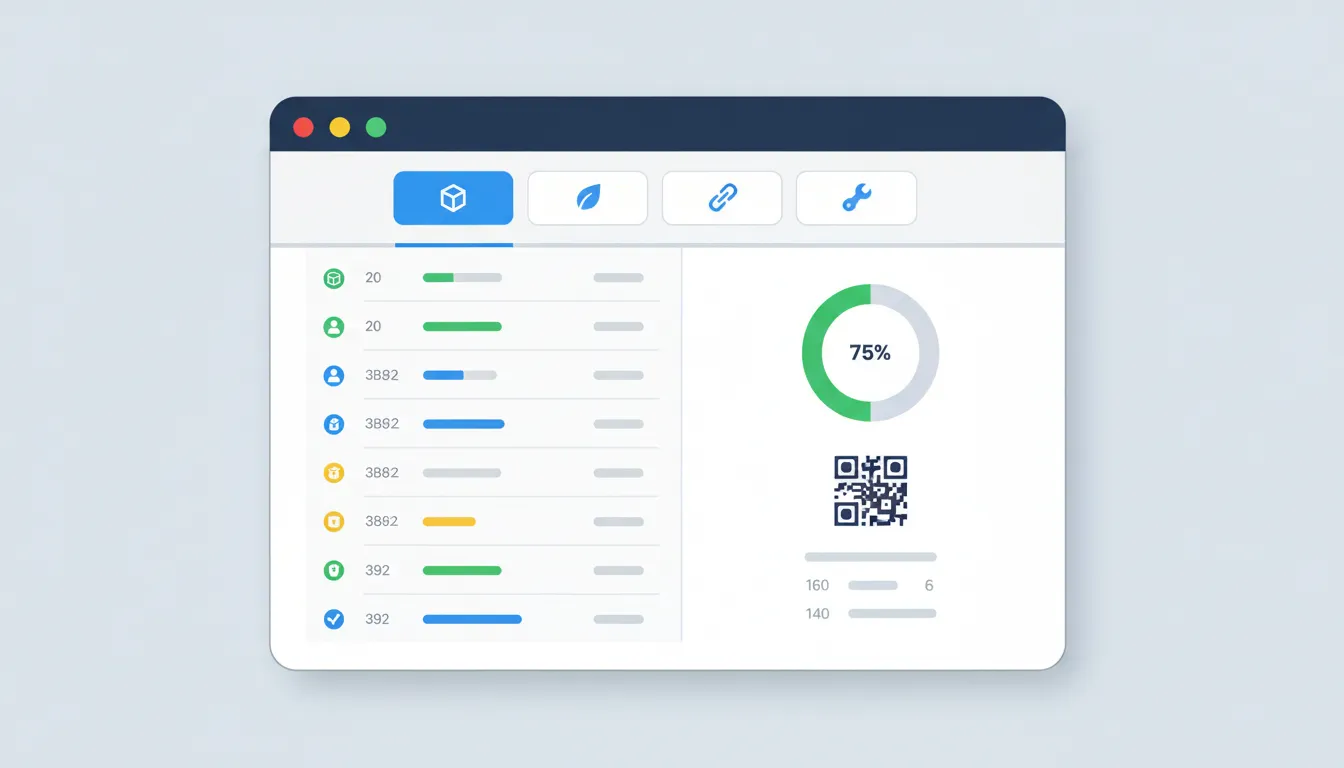
DPPs require:
- Facility names and locations for each manufacturing step
- Third-party audit results and certification status
- Compliance with specific standards (SA8000, Fair Trade, GOTS, etc.)
- Traceability to raw material origin
This is verifiable, auditable information—not marketing copy.
Real Repairability Scores vs. "Built to Last"
"Built to last" sounds great. But for how long? Can it be repaired? Are spare parts available? What's the expected lifespan?
Under the EU Ecodesign for Sustainable Products Regulation (ESPR), DPPs will include:
- Repairability scores based on standardized criteria
- Availability of spare parts (duration and price)
- Ease of disassembly (time and tools required)
- Expected product lifespan under normal use conditions
- Repair instructions and documentation accessibility
These are objective, measurable metrics—not subjective marketing claims.
The Business Case for Genuine Transparency
At first glance, the new regulations seem restrictive. Why would brands voluntarily embrace this level of scrutiny?
Because the market is already moving there, and the brands that move first will win.
Consumer Trust Is at All-Time Lows
The data is stark:
- 71% of consumers distrust corporate sustainability claims (Economist Intelligence Unit, 2024)
- 65% of consumers say they would pay more for products with verified sustainability credentials
- 81% of millennials expect brands to publicly declare their sustainability commitments
- 88% of consumers want brands to help them be more environmentally friendly
The trust deficit is the opportunity. When verified transparency becomes the norm, the brands that can prove their claims will steal market share from those that can't.
Greenwashing Creates a Race to the Bottom
When unverified claims are allowed, honest brands are punished. A company that truly uses 100% recycled materials and can prove it competes against companies that slap "eco-friendly" on products with 5% recycled content.
When verification is required, honest brands finally compete on a level playing field—and their genuine investments in sustainability become visible competitive advantages.
First-Mover Advantage in Verified Transparency
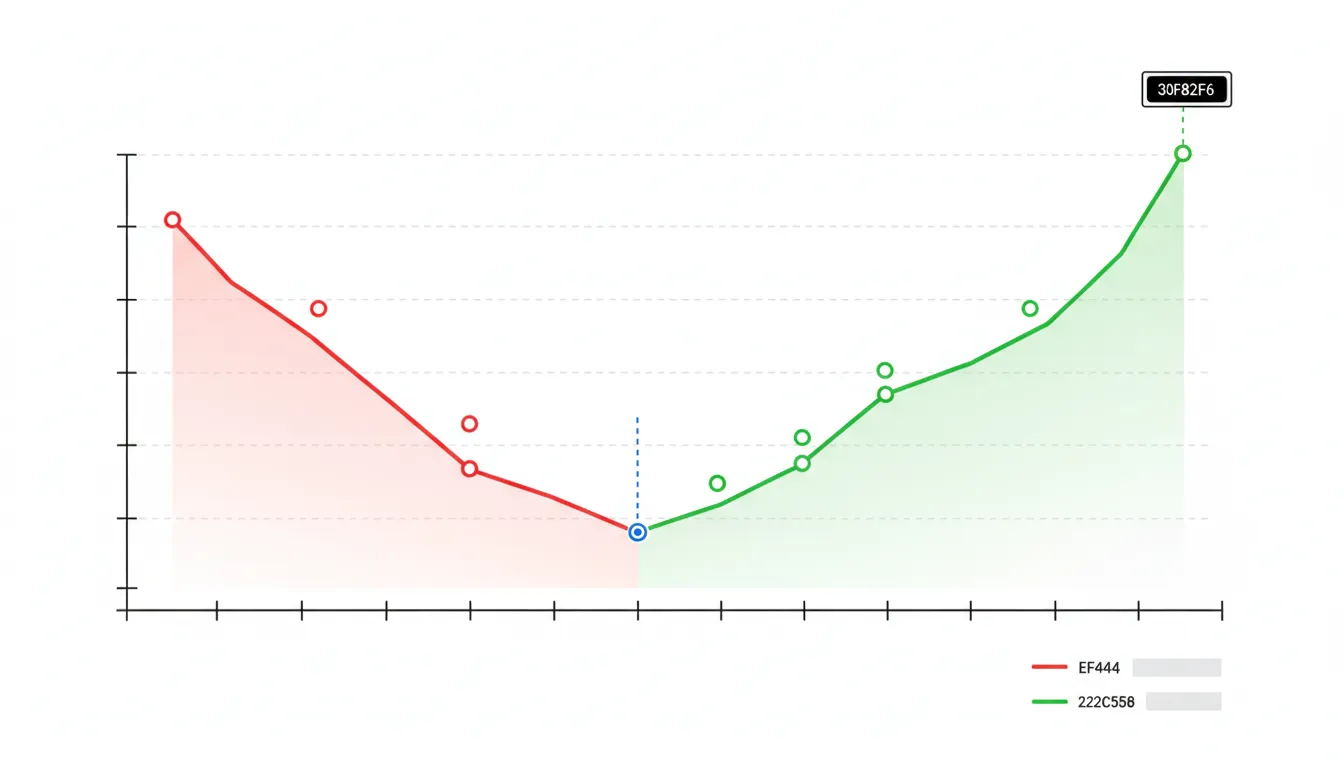
The brands that implement comprehensive DPPs before the EU's 2026-2027 deadlines will:
- Build consumer trust before competitors catch up
- Establish themselves as category leaders in transparency
- Identify supply chain issues early and fix them proactively
- Create marketing content based on verified data that competitors can't match
- Avoid the reputational damage of being forced to comply publicly
Waiting until the last minute signals that you're only doing this because you have to. Moving early signals genuine commitment.
The Cost of Getting Caught
While the exact penalties under the Green Claims Directive are still being determined by member states, we can look at existing enforcement for guidance:
- Italy: Fines up to €5 million for misleading environmental claims
- France: Up to 80% of the costs of the advertising campaign that violated the law
- Consumer class actions: H&M's lawsuit seeks damages for every customer misled—potentially hundreds of millions
- Reputation costs: Immeasurable but often larger than financial penalties
One study found that companies experience an average stock price decline of 3-5% when caught greenwashing, with recovery taking 12-18 months.
How Honest Brands Win When Greenwashing Ends
The elimination of greenwashing creates several competitive advantages for genuinely sustainable companies:
Price Premium Justification
When consumers can verify that your product truly uses sustainable materials, ethical labor, and lower-impact processes, the price premium for sustainable products becomes justifiable. Currently, many consumers doubt whether premium prices actually fund sustainability improvements.
Proof of Differentiation
Every competitor claims to be sustainable. With DPPs, you can prove you're different. If your carbon footprint is 60% lower than the category average, that's no longer a marketing claim—it's verifiable fact.
Protection from Undercutting
Competitors can't undercut your genuine sustainability efforts with fake claims anymore. When consumers can scan a QR code and see that a competitor's "eco" product has 3x higher emissions than yours, your premium positioning holds.
Marketing Content That Converts
Verified data becomes powerful marketing content. Instead of saying "we're sustainable," you can say:
- "39% lower carbon footprint than category average (verified)"
- "100% traceable to origin: see our exact supply chain"
- "8.5/10 repairability score—see the full assessment"
These specific, verifiable claims build trust and drive conversion.
How PassportPro Provides Verified Transparency
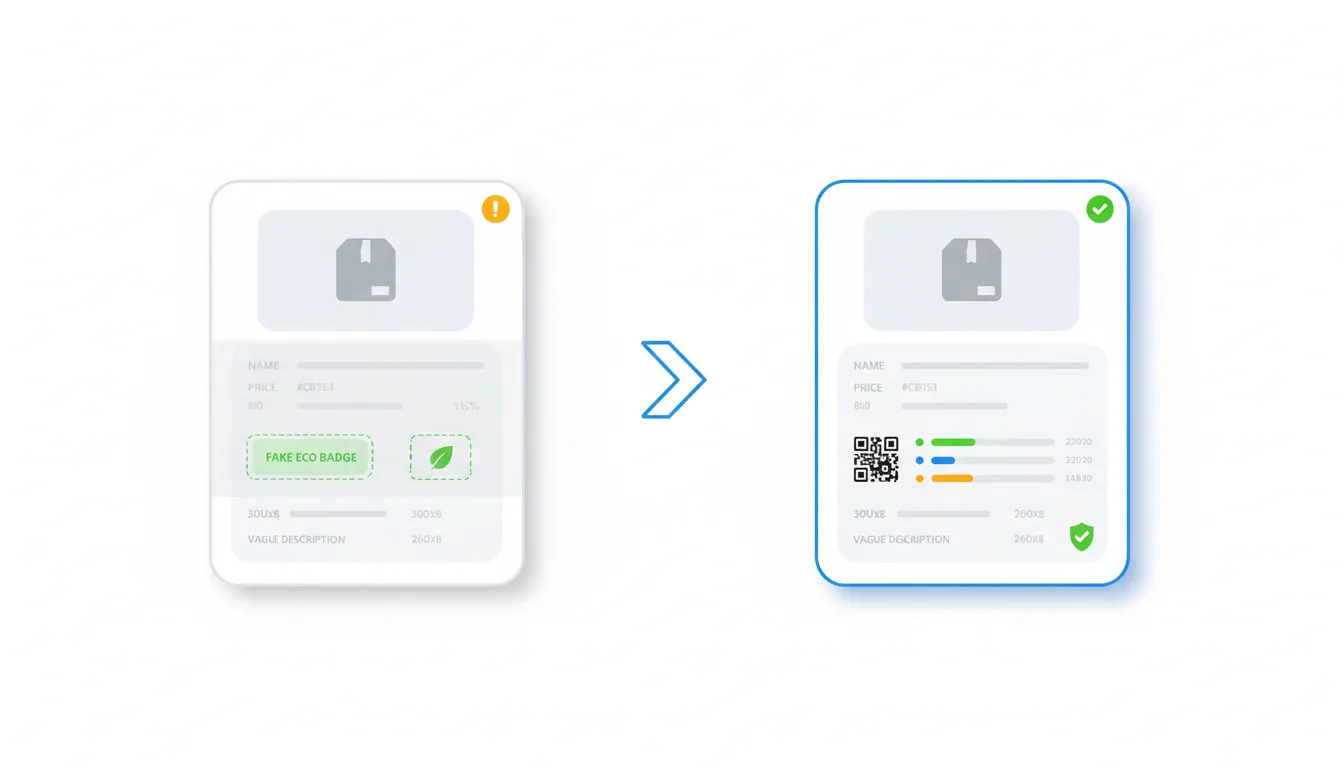
This is where implementation meets regulation. Having the data is one thing—presenting it in a compliant, accessible, consumer-friendly format is another.
PassportPro enables Shopify merchants to:
Create EU-Compliant Digital Product Passports
- Standardized data fields matching ESPR requirements
- Proper data structure for machine readability
- Unique product identifiers and version control
Generate QR Codes for Every Product
- Individual QR codes that link to comprehensive product data
- Print-ready formats for packaging integration
- Dynamic updates as product information changes
Organize Verified Sustainability Data
- Material composition with certification tracking
- Carbon footprint calculation and display
- Supply chain transparency with facility mapping
- Circularity information (repair, recycling, disposal)
Stay Compliant as Regulations Evolve
- Regular updates to match new EU requirements
- Built-in compliance checks for data completeness
- Audit trail for all data changes
Build Consumer Trust with Transparency
- Consumer-friendly data presentation
- Multiple language support for EU markets
- Mobile-optimized viewing experience
The goal isn't just compliance—it's turning transparency into a competitive advantage.

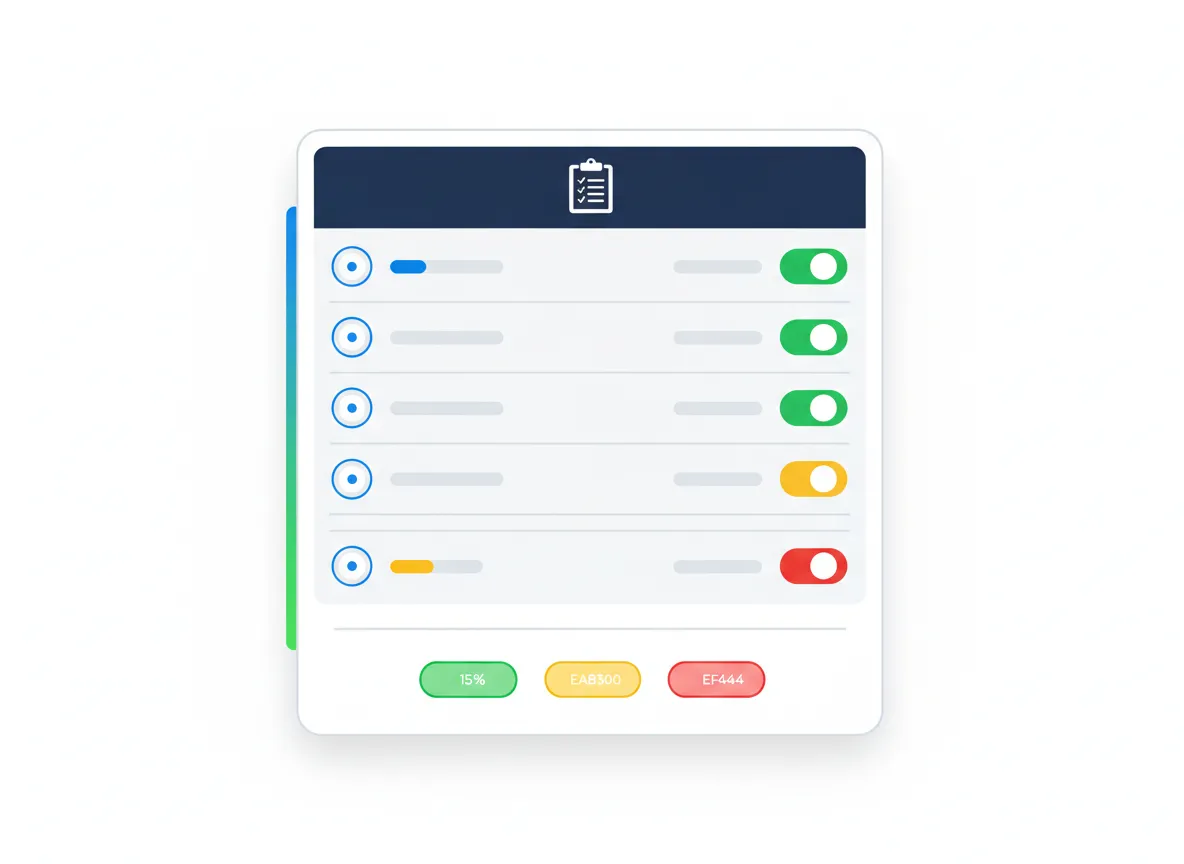
Self-Assessment: Is Your Brand Greenwashing?
Be honest. Evaluate your current environmental claims:
Question 1: Can you back every environmental claim with specific data?
- If your product says "eco-friendly," can you define exactly what that means with measurable metrics?
Question 2: Is your data independently verified?
- Have third-party certifiers validated your claims, or are they based on internal assessments?
Question 3: Do you disclose the full picture?
- Are you transparent about environmental impact across the entire product lifecycle, or only highlighting the positive aspects?
Question 4: Are your claims specific and quantified?
- "Reduces carbon emissions" vs. "39% lower carbon footprint than conventional production"—which can you prove?
Question 5: Can consumers easily access detailed information?
- Is your sustainability data buried in a PDF somewhere on your website, or is it accessible via QR code directly on the product?
Question 6: Do you use generic environmental imagery or labels?
- Green leaves, earth imagery, or unofficial "eco" badges can be greenwashing signals if not backed by specific certifications.
Question 7: Are you transparent about trade-offs?
- Every product has environmental impacts. Are you honest about them, or only presenting benefits?
Question 8: Do you make future commitments without clear plans?
- "We'll be carbon neutral by 2030" needs a detailed, publicly available roadmap—not just a target date.
Scoring:
- 8/8 yes: You're well-positioned for genuine transparency
- 5-7 yes: You're on the right track but have gaps to address
- Below 5: You're at high risk of being flagged for greenwashing under new EU regulations
The Transition Period: What Brands Should Do Now
We're in a critical window. The EU's regulations are passed but not fully enforced yet. Smart brands are using this time strategically.
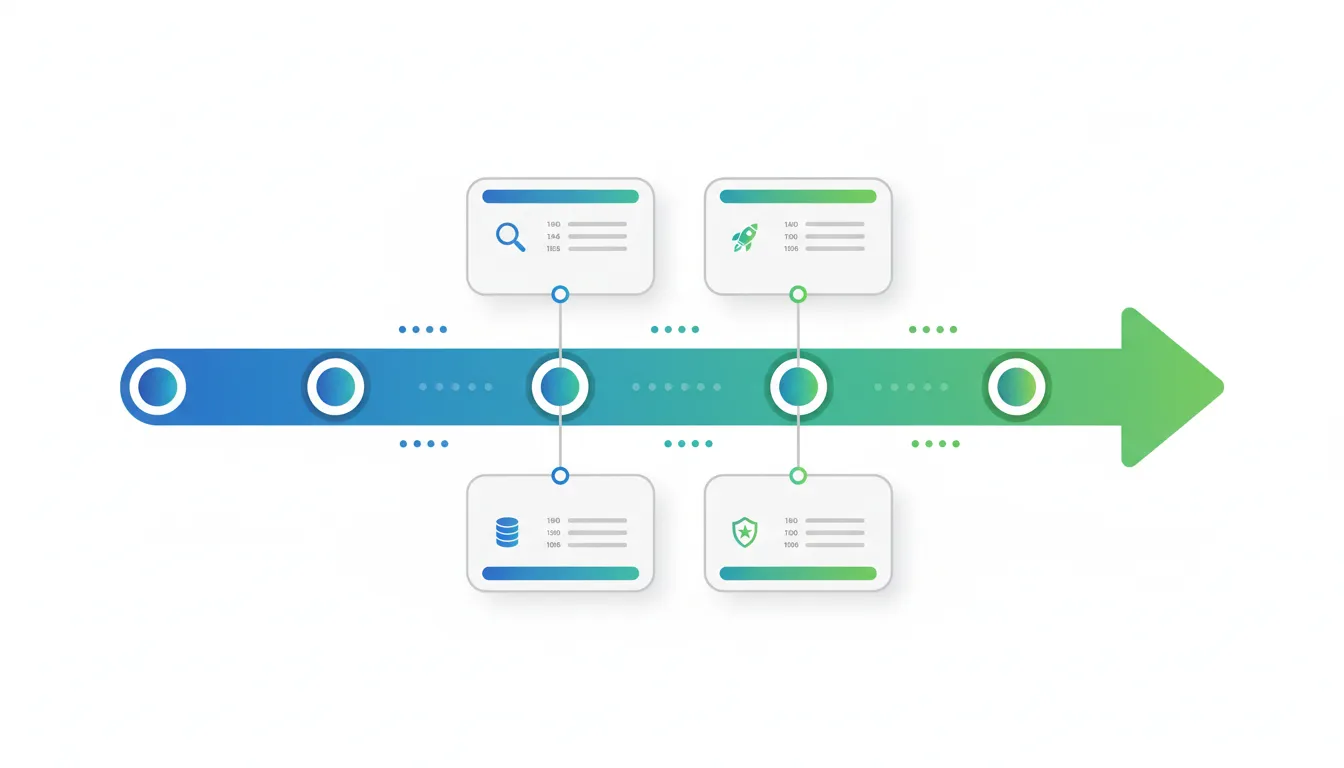
Immediate Actions (Next 3 Months):
1. Audit Your Current Claims
- Review all product packaging, website copy, and marketing materials
- Identify every environmental claim you're making
- Assess whether each claim is specific, verifiable, and substantiated
2. Gather Your Data
- Material composition and sourcing
- Manufacturing processes and locations
- Carbon footprint assessments
- Certification status and documentation
- Supply chain traceability data
3. Identify Gaps
- Where do you lack sufficient data?
- Where do your claims exceed your proof?
- What needs third-party verification?
Medium-Term Actions (3-12 Months):
4. Implement Digital Product Passports
- Choose a DPP solution (PassportPro for Shopify merchants)
- Begin with a pilot product line
- Create QR codes and integrate into packaging redesigns
5. Obtain Necessary Certifications
- Identify which third-party standards are relevant to your products
- Begin certification processes (these can take 6-12 months)
- Document everything for verification purposes
6. Train Your Team
- Marketing teams need to understand what claims are now permissible
- Customer service needs to explain the new transparency features
- Operations needs to maintain data accuracy
Long-Term Strategy (12+ Months):
7. Make Transparency a Brand Pillar
- Don't just comply—use verified transparency as a differentiator
- Create marketing campaigns around your verifiable sustainability data
- Engage customers with interactive DPP features
8. Continuous Improvement
- Use DPP data to identify the highest-impact areas for sustainability improvement
- Set measurable targets based on verified baseline data
- Track and publicize progress over time
The Future Is Verifiable
The era of vague environmental claims is ending not because regulators decided it should, but because consumers demanded it and technology made it possible.
Digital Product Passports represent a fundamental shift: from marketing-driven sustainability narratives to data-driven transparency. From trusting what brands say to verifying what products actually are.
This isn't just about compliance with EU regulations. It's about a market evolution where verified transparency becomes the baseline expectation, and brands that can't prove their sustainability claims lose market share to those that can.
The question isn't whether this future is coming—it's whether your brand will lead the transition or be forced to catch up.
For brands with genuine sustainability credentials, this is the best thing that could happen. Your investments in responsible sourcing, lower-impact manufacturing, and ethical labor practices will finally be visible and verifiable competitive advantages.
For brands that have been greenwashing, the message is simple: the game is over. Adapt by investing in real sustainability and real transparency, or face penalties, lawsuits, and customer exodus that makes compliance look cheap by comparison.
The EU's regulatory framework gives you a clear roadmap. Digital Product Passports give you the implementation tool. Consumer demand gives you the business case.
What's stopping you from starting today?
Get Started with Verified Transparency
PassportPro helps Shopify merchants create EU-compliant Digital Product Passports with QR codes in minutes, not months.
Ready to turn transparency into a competitive advantage?
- Create standardized, verifiable product data
- Generate QR codes for instant consumer access
- Stay compliant with evolving EU regulations
- Build trust with verified sustainability claims
Start Your Free Trial | See How It Works | Read Implementation Guide
About PassportPro
PassportPro is the leading Digital Product Passport solution for Shopify merchants. We help brands navigate EU sustainability regulations while turning compliance into competitive advantage. Our platform makes it easy to create, manage, and display verified product information that builds consumer trust and drives sales.
Have questions about DPPs or greenwashing regulations? Contact our team for a free compliance consultation.
Ready to get started?
Create EU-compliant Digital Product Passports for your Shopify store in minutes.
Install PassportPro on Shopify